Library › Special populations and systemic disease › Postpartum care and contraception
Postpartum cardiovascular care, contraception and adverse pregnancy outcomes
Cardiovascular care in the year after delivery, lifelong risk after adverse pregnancy outcomes, contraception and assisted reproduction in women with heart disease, lipids in pregnancy, and gender-affirming hormone therapy in adult congenital heart disease.
The year after delivery is the period in which most pregnancy-related deaths now occur and the period in which a woman's pregnancy history first becomes part of her cardiovascular history.
Hypertensive disorders of pregnancy and postpartum hypertension, peripartum cardiomyopathy, and valve disease and mechanical valves in pregnancy are reviewed separately in greater depth.
Governing guidance for postpartum cardiovascular care and contraception
Obstetric, primary care, and cardiology documents agree on three points: the postpartum period extends to 1 year, an adverse pregnancy outcome is a lasting cardiovascular risk marker, and contraceptive choice in heart disease follows the US Medical Eligibility Criteria (US MEC).
| Document | Scope | Principal content for cardiologists |
|---|---|---|
| 2026 ACC expert consensus decision pathway on postpartum care (with ACNM, ACOG, SMFM) | Patients with or at risk for cardiovascular disease, delivery to 1 year | Discharge readiness, early follow-up, emergencies, lactation, mental health, contraception, screening by 12 weeks, transition before 1 year |
| 2024 AHA scientific statement on the postpartum period after adverse pregnancy outcomes | Women after adverse pregnancy outcomes | Counseling and screening by outcome; Life's Essential 8; barriers to follow-up |
| 2021 AHA scientific statement on adverse pregnancy outcomes | Long-term cardiovascular risk | Risk estimates, mechanisms, and recording of pregnancy history in cardiovascular assessment |
| 2024 US MEC (CDC) | All contraceptive methods by medical condition | Category 1 to 4 eligibility by cardiac, thrombotic, and postpartum condition |
| ACOG Committee Opinion 736 (2018) | All postpartum patients | Contact within 3 weeks, comprehensive visit by 12 weeks, and a named clinician for ongoing care |
| ACOG/SMFM Obstetric Care Consensus 8 (2019) | Interpregnancy care | Reproductive life planning, birth spacing, and management of chronic disease between pregnancies |
| 2026 ACC/AHA dyslipidemia guideline | Lipids across adult life | Lipid-lowering drugs around conception, pregnancy, and lactation; sex-specific risk enhancers |
| 2025 ESC guideline on cardiovascular disease and pregnancy | European practice | Contraception, assisted reproduction, termination, and postpartum follow-up in heart disease |
Governing documents. ACNM, American College of Nurse-Midwives; ACOG, American College of Obstetricians and Gynecologists; SMFM, Society for Maternal-Fetal Medicine.
European guidance differs mainly in how it presents method preference. The 2025 ESC guideline describes the levonorgestrel intrauterine device as the safest and most effective option for most women with heart disease and restricts estrogen-containing methods in cyanosis, mechanical valves, the Fontan circulation, and other conditions with high thrombotic risk. The US MEC reaches the same conclusions condition by condition.
Deaths in the year after delivery, the fourth trimester, and disparities
The 12 weeks after birth are often called the fourth trimester, a term used by ACOG and the 2024 AHA statement to signal that care continues after delivery. For cardiovascular purposes the window is longer. Among pregnancy-related deaths reviewed by committees in 36 states from 2017 to 2019, 53% occurred between 7 days and 1 year after the end of pregnancy (Trost 2022). Among deaths with a known underlying cause, cardiac and coronary conditions accounted for 12.8% and cardiomyopathy for 8.5%, together exceeding hemorrhage (13.7%). Heart conditions were the leading underlying cause among Black women. More than 80% of these deaths were judged preventable.
The national maternal mortality rate, which counts deaths within 42 days, was 18.6 per 100,000 live births in 2023. The rate was 50.3 per 100,000 among Black women, 14.5 among White women, 12.4 among Hispanic women, and 10.7 among Asian women; among women aged 40 years or older it was 59.8 (Hoyert 2025). Hypertensive disorders of pregnancy and severe maternal morbidity are also more frequent among Black women, who have a higher lifetime cardiovascular risk (Lewey 2024).
Loss to follow-up. Up to 40% of women do not attend postpartum care, and only 18% to 25% of women with an adverse pregnancy outcome or a chronic condition see a primary care clinician within 6 months (Lewey 2024). In claims data from 566,059 commercially insured deliveries, 18% of women with a hypertensive disorder and 13% of women with normotensive pregnancies had a primary care visit within 6 months; older age, Black race, Hispanic ethnicity, and multiple gestation predicted no follow-up (Lewey 2020).
Insurance coverage. Federal law requires pregnancy-related Medicaid coverage through 60 days postpartum. The American Rescue Plan Act of 2021 gave states the option to extend that coverage to 12 months, and the Consolidated Appropriations Act of 2023 made the option permanent; nearly all states have adopted it. The 2024 AHA statement lists 12-month coverage with prenatal scheduling of the postpartum visit, telemedicine, patient navigators, and home blood pressure visits as measures that improve follow-up.
The postpartum cardiovascular care pathway from delivery to 1 year
The 2026 ACC decision pathway treats postpartum care as a process that begins before birth and ends with transition to longitudinal primary or cardiovascular care before the end of the first year (Lindley 2026). It applies to women with known heart disease and to women at risk, including those with a hypertensive disorder, gestational diabetes, or preterm birth. ACOG Committee Opinion 736 sets the obstetric frame: contact within the first 3 weeks, ongoing care as needed, and a comprehensive visit no later than 12 weeks after birth that names the clinician who will assume ongoing care.
| Time after delivery | Cardiovascular content | Source |
|---|---|---|
| Before discharge | Blood pressure controlled and no cardiac or neurologic symptoms; validated home blood pressure device and instructions; written warning signs; medications reconciled for lactation; contraception and mental health addressed; follow-up booked | ACC 2026; ACOG 736 |
| Within 72 hours | Blood pressure check for women with severe hypertension | ACOG 736 |
| 7 to 10 days | Blood pressure check after any hypertensive disorder; first outpatient visit for women with or at risk for cardiovascular disease | ACOG 736; ACC 2026 |
| Within 3 weeks | Contact with the obstetric clinician | ACOG 736 |
| 4 to 12 weeks | 75-g oral glucose tolerance test after gestational diabetes | ADA; AHA 2024 |
| By 12 weeks | Comprehensive postpartum visit; cardiometabolic screening framed by Life's Essential 8; plan for the next pregnancy or for contraception; named clinician for ongoing care | ACOG 736; ACC 2026 |
| 6 to 12 months | Repeat blood pressure, weight, and metabolic assessment; repeat urine protein after preeclampsia with proteinuria or kidney injury; lipid panel if not done | AHA 2024 |
| Before 1 year | Transition to longitudinal primary or cardiovascular care with the pregnancy history recorded as a risk factor | ACC 2026 |
Postpartum cardiovascular schedule. ADA, American Diabetes Association.
Blood pressure after delivery. Pressure peaks 3 to 6 days postpartum, when postpartum preeclampsia and stroke cluster (Lewey 2024). The ACC pathway sets a target below 140/90 mm Hg before discharge and considers starting or escalating medication at 130/80 mm Hg or higher after discharge. It notes that optimal postpartum goals have not been tested in trials. Thresholds and drug choice are given under postpartum hypertension management.
Home and remote monitoring. Office visits in the first postpartum week are poorly attended, and remote monitoring obtains more readings. In a trial of 206 women with pregnancy-related hypertension, text-based home monitoring obtained a blood pressure in the first 10 days in 92.2% of women, compared with 43.7% with an office visit (Hirshberg 2018). Remote programs have also been associated with fewer emergency visits and readmissions (Lewey 2024).
Medication reconciliation. The drug regimen is revised after delivery for the mother's indication and for lactation; nearly 10% of women with chronic hypertension do not resume necessary therapy (Lindley 2026). Enalapril and captopril are the preferred angiotensin-converting enzyme (ACE) inhibitors during breastfeeding. Amiodarone, direct oral anticoagulants, sodium-glucose cotransporter 2 inhibitors, and sacubitril/valsartan are generally avoided while breastfeeding. Statins are restarted after breastfeeding ends in women with high atherosclerotic risk. Drug-specific lactation guidance is given for statins, direct oral anticoagulants, and heart failure therapy.
Postpartum warning signs: preeclampsia, heart failure, and other emergencies
Many postpartum emergencies present after discharge, to clinicians who may not know of the recent pregnancy. The decision pathway therefore emphasizes written warning signs and a low threshold for evaluating cardiopulmonary symptoms in the first year. Breathlessness, edema, and fatigue are common after delivery, and their overlap with normal recovery delays the diagnosis of heart failure.
| Presentation after delivery | Diagnoses to exclude | First tests |
|---|---|---|
| Severe headache, visual change, epigastric pain, seizure, pressure ≥160/110 mm Hg | Postpartum preeclampsia with severe features, eclampsia, posterior reversible encephalopathy, intracranial hemorrhage, reversible cerebral vasoconstriction, cerebral venous thrombosis | Blood pressure, platelets, creatinine, liver enzymes, urine protein; brain imaging for neurologic signs |
| Orthopnea, paroxysmal nocturnal dyspnea, tachycardia, cough, edema beyond the first week | Peripartum cardiomyopathy, preeclampsia-associated pulmonary edema, decompensated valve disease | Natriuretic peptide, electrocardiogram, echocardiogram |
| Chest pain | Spontaneous coronary artery dissection, atherosclerotic myocardial infarction, aortic dissection, pulmonary embolism | Electrocardiogram, troponin, echocardiogram, CT angiography or coronary angiography by presentation |
| Sudden dyspnea, pleuritic pain, syncope | Pulmonary embolism | CT pulmonary angiography; compression ultrasound |
| Palpitations, presyncope | Atrial or ventricular arrhythmia, including long QT syndrome type 2 after delivery | Electrocardiogram, ambulatory monitoring, electrolytes |
| Unilateral weakness, speech disturbance | Ischemic or hemorrhagic stroke, paradoxical embolism | Emergency neuroimaging |
Postpartum cardiovascular emergencies. Postpartum preeclampsia occurs up to 6 weeks after delivery, most often in the first week, and can follow a normotensive pregnancy.
Peripartum cardiomyopathy is the cardiomyopathy most often missed in this window. Pregnancy-associated spontaneous coronary artery dissection occurs most often in the first postpartum month, and conservative management is preferred when flow is preserved and the patient is stable.
Breastfeeding and maternal cardiovascular risk
In a meta-analysis of 8 prospective studies of 1,192,700 parous women followed for a median of 10.3 years, women who had ever breastfed had lower risk of cardiovascular disease (hazard ratio 0.89), coronary heart disease (0.86), stroke (0.88), and fatal cardiovascular disease (0.83) than women who never breastfed (Tschiderer 2022). Risk fell progressively with lifetime breastfeeding up to 12 months. The evidence is observational, heterogeneity was high, and confounding by health, income, and support cannot be excluded. Longer breastfeeding is also associated with lower risk of type 2 diabetes after gestational diabetes and of chronic hypertension after a hypertensive disorder (Lewey 2024).
The decision pathway lists lactation counseling as part of postpartum cardiovascular care (Lindley 2026). In women with heart disease, counseling centers on drug compatibility. Few cardiovascular drugs prevent breastfeeding when an alternative exists, and high-dose loop diuretics may reduce milk volume.
Adverse pregnancy outcomes: definitions and frequency
Adverse pregnancy outcomes are a group of placental and metabolic complications that share risk factors with cardiovascular disease. They occur in about 10% to 20% of pregnancies, with variation by race and ethnicity (Lewey 2024). In the nuMoM2b Heart Health Study of 4,484 women followed after a first pregnancy, 22.7% had a hypertensive disorder, a small-for-gestational-age infant, preterm birth, or stillbirth (Haas 2019).
| Outcome | Definition | Notes for cardiovascular history |
|---|---|---|
| Gestational hypertension | New pressure ≥140/90 mm Hg after 20 weeks without proteinuria or severe features | Up to 30% of cases progress to preeclampsia |
| Preeclampsia | New hypertension after 20 weeks with proteinuria or end-organ dysfunction; can appear first after delivery | Early-onset (before 34 weeks), severe, and recurrent disease carry the highest later risk |
| Gestational diabetes | Diabetes first diagnosed in the second or third trimester that was not clearly overt before pregnancy | The strongest predictor of later type 2 diabetes |
| Preterm delivery | Birth before 37 weeks; spontaneous or medically indicated | Risk is highest before 32 weeks and after indicated preterm birth |
| Small for gestational age | Birth weight below the 10th percentile for gestational age; fetal growth restriction when the cause is placental | Marker of placental vascular disease |
| Placental abruption | Premature separation of the placenta before delivery | Shares placental vasculopathy with preeclampsia |
| Stillbirth and pregnancy loss | Fetal death at or after 20 weeks; miscarriage before 20 weeks | Stillbirth carries more risk than miscarriage; recurrent losses add risk |
Adverse pregnancy outcomes recorded in the cardiovascular history. Hypertensive disorder definitions follow ACOG; their diagnosis and management are reviewed under hypertensive disorders of pregnancy.
A complete pregnancy history includes gestational age at delivery, the reason for early delivery, birth weight, and recurrence in later pregnancies, because all of them change the size of the risk.
Long-term cardiovascular risk after adverse pregnancy outcomes
All adverse pregnancy outcomes are associated with later cardiovascular disease, and the associations are strongest for preeclampsia. In a meta-analysis of 84 studies of almost 29 million women followed for a median of 7.5 years, the odds of later cardiovascular disease were higher after preeclampsia, gestational hypertension, placental abruption, preterm birth, gestational diabetes, and stillbirth. A consistent trend was present for small-for-gestational-age birth but not for miscarriage (Grandi 2019). An umbrella review of 32 meta-analyses reached similar conclusions and found a fourfold association between preeclampsia and heart failure (Okoth 2020). Estimates specific to preeclampsia are given under long-term risk after hypertensive disorders of pregnancy.
| Outcome | Later cardiovascular disease | Other later risks | Sources |
|---|---|---|---|
| Preeclampsia | OR 2.7 | Chronic hypertension; heart failure about 4-fold; stroke; end-stage kidney disease RR 4.7 | Grandi 2019; Okoth 2020; Vikse 2008 |
| Gestational hypertension | OR 1.7 | Chronic hypertension 2 to 4 times as often 10 to 20 years later | Grandi 2019; Lewey 2024 |
| Gestational diabetes | RR 1.98 (OR 1.7) | Type 2 diabetes RR 9.51; cardiovascular disease RR 1.56 even without type 2 diabetes | Kramer 2019; Vounzoulaki 2020; Grandi 2019 |
| Preterm delivery | RR 1.43 (OR 1.6) | Coronary death RR 2.10; stroke RR 1.65; highest before 32 weeks or when medically indicated | Wu 2018; Grandi 2019 |
| Placental abruption | OR 1.8 | — | Grandi 2019 |
| Stillbirth | RR 1.60 (OR 1.5) | Cardiovascular death RR 1.95; risk rises with additional stillbirths | Wang 2024; Grandi 2019 |
| Miscarriage | RR 1.16 | Risk rises with additional miscarriages | Wang 2024 |
| Small for gestational age | Consistent trend, smaller estimate | Part of the composite outcome that predicted hypertension 2 to 7 years later | Grandi 2019; Haas 2019 |
Associations between adverse pregnancy outcomes and later cardiovascular disease from meta-analyses of observational studies. OR, odds ratio; RR, relative risk. Estimates differ by study population, definitions, and length of follow-up.
Hypertension comes first. The earliest consequence is chronic hypertension. In a Danish nationwide cohort, women with a hypertensive disorder in a first pregnancy had 12 to 25 times the rate of hypertension in the year after delivery (Behrens 2017). In nuMoM2b, an adverse outcome in a first pregnancy carried a relative risk of 2.4 for hypertension 2 to 7 years later. The relative risk was 2.7 for any hypertensive disorder, 2.8 for preeclampsia, 2.7 for preterm birth, and 4.3 when an indicated preterm birth accompanied a hypertensive disorder (Haas 2019). Persistent hypertension at 6 weeks to 4 months was present in 18% to 57% of women in single-center cohorts (Lewey 2024).
Gestational diabetes. Up to one-third of women with gestational diabetes have diabetes or impaired glucose metabolism within 12 weeks of delivery (Lewey 2024). The risk of type 2 diabetes is almost 10 times that after a normoglycemic pregnancy, with a cumulative incidence of about 10% to 16% in pooled cohorts (Vounzoulaki 2020). Cardiovascular risk is doubled, appears within the first postpartum decade (RR 2.31), and persists in women who do not develop type 2 diabetes (Kramer 2019).
Preterm birth, growth restriction, and abruption. These outcomes reflect placental vascular disease even without maternal hypertension; the preterm estimates come from 21 studies of more than 5.8 million women (Wu 2018).
Recurrent and multiple outcomes. Risk accumulates. Recurrent preeclampsia is associated with a twofold or greater risk of ischemic heart disease and stroke (Okoth 2020), and additional stillbirths or miscarriages raise the estimate further (Wang 2024). Women with one or more adverse outcomes have myocardial infarction and stroke at younger ages (Lewey 2024).
Why adverse pregnancy outcomes predict cardiovascular disease
Two explanations are supported. The first is shared risk: pregnancy acts as a stress test that unmasks reduced vascular and metabolic reserve. In the HUNT study, which measured women before and after pregnancy, adjustment for prepregnancy measurements attenuated the postpregnancy excess of body mass index by more than 65% and that of blood pressure by about half (Romundstad 2010). Much of the association therefore appears to reflect risk factors present before conception. The second is that pregnancy complications accelerate risk factors. In the Nurses' Health Study II, a hypertensive disorder in a first pregnancy was associated with a 63% higher rate of cardiovascular disease. Chronic hypertension, hypercholesterolemia, type 2 diabetes, and weight gain arising after pregnancy mediated 64% of the association: 84% after gestational hypertension and 57% after preeclampsia (Stuart 2022). The unexplained remainder after preeclampsia is consistent with lasting vascular or myocardial effects of the disease itself.
Cardiac structure. Women with a hypertensive disorder about 10 years earlier had greater septal thickness and relative wall thickness than women with normotensive pregnancies, after adjustment for current hypertension. Among women with both a prior hypertensive disorder and current hypertension, 79% had left ventricular remodeling, with lower mitral E/A ratios and annular e′ velocities (Countouris 2021).
Coronary atherosclerosis. In 258 women aged 40 to 63 years with prior preeclampsia, any coronary artery calcium was present in 20% compared with 13% of matched Framingham women after normotensive pregnancies. The difference was greatest at ages 45 to 50 years, and calcium appeared about 5 years earlier after preeclampsia (Benschop 2020). The difference was not explained by conventional risk factors.
Kidney disease. Preeclampsia can cause acute kidney injury and proteinuria. In the Norwegian birth registry, preeclampsia in a first pregnancy was associated with a relative risk of 4.7 for end-stage kidney disease, rising to 15.5 after preeclampsia in two or three pregnancies, although the absolute risk was low (Vikse 2008).
Other reproductive risk markers: polycystic ovary syndrome, early menopause, and premature ovarian insufficiency
In the umbrella review of reproductive factors, polycystic ovary syndrome and early menopause were associated with less than a 1.5-fold increase in composite cardiovascular disease, and premature ovarian insufficiency with a 1.5- to 1.9-fold increase (Okoth 2020). In pooled individual data from 15 studies of 301,438 women, natural menopause before age 40 years was associated with a hazard ratio of 1.55 for nonfatal cardiovascular disease and menopause at 40 to 44 years with 1.30, compared with menopause at 50 to 51 years. The associations persisted in never smokers and were strongest before age 60 years (Zhu 2019). The 2026 ACC/AHA dyslipidemia guideline lists premature menopause and polycystic ovary syndrome with the adverse pregnancy outcomes as sex-specific risk enhancers.
Risk assessment after an adverse pregnancy outcome
No US risk equation, including PREVENT and the pooled cohort equations, includes pregnancy history, and a woman in her 30s with prior preeclampsia almost always has a low calculated 10-year risk. Guidelines therefore apply adverse pregnancy outcomes as risk enhancers after the calculation.
The 2026 ACC/AHA dyslipidemia guideline lists preeclampsia, gestational hypertension, gestational diabetes, and preterm delivery among the risk-enhancing factors that favor statin therapy when calculated risk is borderline or intermediate. How risk enhancers, PREVENT, and coronary calcium combine is reviewed with cardiovascular risk assessment in special populations and lipids in women and pregnancy. The 2026 ACC decision pathway adds the practical step: hypertensive disorders, gestational diabetes, and preterm birth are recorded at all cardiovascular visits and treated as permanent risk enhancers in deciding the frequency of screening and the intensity of prevention (Lindley 2026). The 2021 AHA statement recommends that the pregnancy history be documented and used in risk assessment (Parikh 2021). The 2025 ESC guideline recommends cardiovascular risk assessment and lifestyle counseling for women with adverse pregnancy outcomes.
No trial has tested statins, aspirin, or renin-angiotensin blockade in women whose only risk factor is a prior adverse outcome. Risk factors that develop are therefore treated at the usual adult thresholds, and the history is used to resolve borderline decisions and to frame 30-year and lifetime risk.
Cardiometabolic screening schedule after delivery
The decision pathway recommends comprehensive cardiometabolic screening by 12 weeks postpartum based on the Life's Essential 8 framework, covering blood pressure, glycemia, lipids, weight, sleep, mental health, and tobacco use (Lindley 2026). The 2024 AHA statement suggests screening at 6 weeks, 12 weeks, 6 months, and 12 months after an adverse outcome, with handoff to longitudinal primary care (Lewey 2024).
| Domain | Test and timing | Thereafter |
|---|---|---|
| Blood pressure | Home readings from discharge; office check at 7 to 10 days and at the comprehensive visit; ambulatory or home confirmation of persistent hypertension | At least annually; more often when elevated |
| Glucose after gestational diabetes | 2-hour 75-g oral glucose tolerance test at 4 to 12 weeks; if not completed, hemoglobin A1c or fasting glucose within the first year | At 1- to 3-year intervals for life |
| Glucose after other outcomes | Screening if not up to date | By general adult criteria |
| Lipids | Baseline panel within the first year, at least 12 weeks after delivery; at 6 weeks when familial hypercholesterolemia is suspected or access is limited | By risk |
| Kidney | Creatinine within 1 week after preeclampsia; urine protein at 6 to 12 months after proteinuria or acute kidney injury | Nephrology referral for persistent proteinuria |
| Weight and diet | Weight and waist at the comprehensive visit; diet history | Annually |
| Sleep | Sleep duration and symptoms of sleep apnea; sleep specialist review after sleep apnea in pregnancy | As indicated |
| Mood | Screening for perinatal depression and anxiety | As indicated |
| Tobacco and nicotine | Use of cigarettes, vaping, and other nicotine products | At all visits |
Postpartum cardiometabolic screening after an adverse pregnancy outcome, from the 2024 AHA statement, the 2026 ACC decision pathway, and American Diabetes Association standards (ElSayed 2023).
Lipid concentrations rise in pregnancy and can take up to 3 months to return to prepregnancy values (Lewey 2024), so a panel drawn in the first weeks after delivery overstates baseline concentrations. Earlier testing is justified when familial hypercholesterolemia is suspected, because the result changes care before the next pregnancy.
Lifestyle, Life's Essential 8, and mental health after pregnancy
The AHA Life's Essential 8 construct scores diet, physical activity, nicotine exposure, sleep health, body mass index, blood lipids, blood glucose, and blood pressure (Lloyd-Jones 2022). Both the 2024 AHA statement and the 2026 decision pathway use it to structure postpartum care. Few women of reproductive age reach ideal levels: in a US sample of 26,543 women of childbearing age, only 4.8% had ideal cardiovascular health across the seven metrics of the earlier Life's Simple 7 (Lewey 2024). The construct and its scoring are reviewed with other prevention tools under Life's Essential 8 and cardiovascular health metrics.
Weight retention. About 60% of women retain weight 1 year after delivery, and retained weight predicts later obesity, hypertension, and diabetes (Lewey 2024). In the Diabetes Prevention Program, intensive lifestyle intervention reduced the incidence of diabetes by about 50% in participants with prior gestational diabetes; metformin is an option in women with prediabetes. The AHA statement recommends at least 150 minutes per week of moderate to vigorous physical activity, the same target as for other adults.
Sleep. Sleep is fragmented after delivery, and poor sleep is associated with postpartum depression. Obstructive sleep apnea is more common in pregnancy and is associated with adverse outcomes; it can take up to 6 months to resolve after delivery, and some cases persist (Lewey 2024).
Smoking. ACOG recommends avoidance of all tobacco and nicotine after delivery, including cigarettes, vaping, and hookah, with behavioral support and pharmacotherapy. Smoking also determines eligibility for combined hormonal contraception in women aged 35 years or older.
Mental health. Up to 10% of women have postpartum depression in the first year (Lewey 2024), and mental health conditions were the most common underlying cause of pregnancy-related death in the 2017 to 2019 review data (Trost 2022). Depression impairs adherence to treatment and follow-up, and screening is part of the comprehensive postpartum visit.
Lipids in pregnancy and after delivery
Physiologic rise. Pregnancy is a state of physiologic hyperlipidemia that supplies cholesterol and fatty acids to the placenta and fetus. Total and low-density lipoprotein (LDL) cholesterol fall slightly in early pregnancy, then rise from the second trimester until term by about 30% to 50%. Triglycerides rise by about 50% to 100% and can double or more by the third trimester. High-density lipoprotein (HDL) cholesterol rises by 20% to 40% and plateaus at about 20 to 24 weeks (Mulder 2024). In familial hypercholesterolemia the relative rise is similar, so the absolute LDL cholesterol increase is more than twice as large (Mulder 2024). Routine lipid measurement during pregnancy is not recommended, and values obtained in pregnancy are interpreted against gestational age.
Lipid-lowering drugs. The FDA removed the class-wide pregnancy contraindication from statin labels in 2021. The 2026 ACC/AHA dyslipidemia guideline recommends stopping statins 1 to 2 months before planned conception, or when pregnancy is recognized, in women without severe familial hypercholesterolemia or atherosclerotic disease. ACC guidance limits continued statin therapy in pregnancy to women at high risk, such as those with familial hypercholesterolemia or atherosclerotic disease, and advises against statins during lactation (ACC LDL-C Manager). The International Atherosclerosis Society guidance for familial hypercholesterolemia advises stopping statins and other absorbed lipid-lowering drugs 3 months before planned conception and avoiding them during pregnancy and lactation. In women with homozygous familial hypercholesterolemia and clinical atherosclerotic disease, continued statin therapy may be considered (Watts 2023). Bile acid sequestrants, which are not absorbed, are the drug option during pregnancy. These recommendations are given under lipids in women and pregnancy and statins in women and pregnancy.
Familial hypercholesterolemia. Women with heterozygous familial hypercholesterolemia face 1 to 2 years without treatment per pregnancy and lactation, which adds to lifetime LDL exposure. Lipoprotein apheresis, at intervals set by the LDL target, is used during pregnancy in homozygous disease and in selected heterozygous women with atherosclerotic disease or very high LDL cholesterol (Formisano 2024); its technique is described under lipoprotein apheresis.
Severe hypertriglyceridemia and pancreatitis. The normal rise in triglycerides can become dangerous in women with an underlying defect in triglyceride clearance, such as familial chylomicronemia syndrome or multifactorial hypertriglyceridemia, and in women with poorly controlled diabetes. Gestational hypertriglyceridemia with pancreatitis carries substantial maternal and fetal mortality. Management reported in reviews combines a very-low-fat diet, omega-3 fatty acids, glycemic control, and, in severe cases, fenofibrate after the first trimester. Drug therapy is generally used above 500 mg/dL, and plasmapheresis is considered for fasting triglycerides above 1,000 mg/dL or for pancreatitis with triglycerides above 500 mg/dL despite diet and drug therapy (Formisano 2024). These thresholds come from case series; no US guideline sets them. Bile acid sequestrants raise triglycerides and are avoided when triglycerides are high.
Lipoprotein(a). The 2026 ACC/AHA guideline recommends measuring lipoprotein(a) at least once in all adults. Concentrations may rise during pregnancy, and associations between high lipoprotein(a) and preeclampsia or preterm birth have been reported with conflicting results (Formisano 2024). For a woman of reproductive age, the measurement is best obtained before conception or after the postpartum period, when the value reflects her stable level. A high value adds to the case for earlier and more intensive prevention in a woman with prior preeclampsia.
Transition of care and postpartum transition clinics
The handoff from obstetric to longitudinal care is the weakest point in the pathway. ACOG Committee Opinion 736 recommends that women with hypertensive disorders, obesity, diabetes, thyroid disease, renal disease, or mood disorders be counseled about timely follow-up. The ACC pathway sets the end of the first year as the latest point for transition.
Women with known heart disease remain under the Pregnancy Heart Team through the postpartum year, with visits timed to the lesion; the team reassesses ventricular function, valve gradients, aortic dimensions, and rhythm once the hemodynamic changes of pregnancy have resolved. Women without heart disease but with an adverse outcome are best served by a structured handoff that carries the diagnosis, its severity, gestational age at delivery, and any persistent abnormality into the primary care record.
Dedicated postpartum transition clinics are run by cardiology, obstetric medicine, or primary care with nurse navigators. They see women with hypertensive disorders, gestational diabetes, or preterm birth in the first postpartum months, complete the screening, start treatment, and arrange longitudinal follow-up. Whether the model reduces cardiovascular events has not been tested.
Planning the next pregnancy after an adverse outcome or heart disease
Interpregnancy interval. ACOG and SMFM Obstetric Care Consensus 8 advises that women avoid interpregnancy intervals shorter than 6 months and be counseled about the risks and benefits of conceiving again sooner than 18 months. In women with heart disease, a short interval also prevents reassessment of the circulation after the previous pregnancy. The interval is achieved with effective contraception.
Before the next pregnancy. The interpregnancy period is used to detect and treat chronic hypertension, diabetes, and kidney disease, switch drugs to pregnancy-compatible agents, reach a healthier weight, stop smoking, and repeat cardiac imaging when heart disease is present. A woman who decompensated in her previous pregnancy is reassessed with the modified World Health Organization (WHO) classification before another conception.
Aspirin. Low-dose aspirin, 81 mg daily, reduces the risk and severity of preeclampsia in a later pregnancy for women with prior preeclampsia, chronic hypertension, type 1 or type 2 diabetes, kidney disease, autoimmune disease, or multifetal gestation (ACOG Committee Opinion 743). It is started between 12 and 28 weeks, optimally before 16 weeks, and continued until delivery. Aspirin for primary prevention outside pregnancy follows the general adult criteria, and a prior adverse outcome alone is not an indication.
Recurrence. Preeclampsia recurs in a substantial minority of later pregnancies, more often after early-onset disease, and gestational diabetes recurs more often with higher prepregnancy weight (Lewey 2024). Recurrence rates for hypertensive disorders are given under long-term risk after hypertensive disorders of pregnancy.
Contraceptive effectiveness and the US MEC framework
Unintended pregnancy exposes a woman with severe heart disease to the full maternal risk of pregnancy and often to teratogenic drugs. Only about half of women with congenital heart disease recall contraception counseling from their cardiologist (Lindley 2021). Counseling on the safety and effectiveness of the individual methods is part of cardiovascular care.
The US MEC assigns a category to all method-condition pairs (Nguyen 2024). Category 1 is a condition with no restriction on use. Category 2 is one in which the advantages generally outweigh the theoretical or proven risks. Category 3 is one in which the risks usually outweigh the advantages, so that the method is used only when more appropriate methods are unavailable or unacceptable. Category 4 is a condition that represents an unacceptable health risk. The US MEC also lists conditions in which unintended pregnancy carries a high risk of adverse health events; for these women, long-acting reversible methods are emphasized. Cardiovascular conditions on that list include hypertension of 160/100 mm Hg or more, ischemic heart disease, stroke, deep vein thrombosis or pulmonary embolism, complicated valvular heart disease, peripartum cardiomyopathy, thrombophilia, systemic lupus erythematosus, and diabetes with vascular disease. The same reasoning applies to pulmonary arterial hypertension, the Fontan circulation, and other lesions in modified WHO class III or IV.
| Tier | Methods | Pregnancies in the first year of typical use |
|---|---|---|
| Most effective | Etonogestrel implant | 0.05% |
| Levonorgestrel intrauterine device | 0.2%–0.9% | |
| Copper intrauterine device | 0.8% | |
| Vasectomy of the partner | 0.15% | |
| Tubal sterilization | About 2% over 10 years | |
| Moderately effective | Depot medroxyprogesterone acetate (DMPA) | About 6% |
| Combined pill, patch, or ring; progestin-only pill | About 9% | |
| Least effective | Condoms, diaphragm, withdrawal, fertility awareness | 18%–28% |
| None | No method | About 85% |
Typical-use effectiveness of contraceptive methods, from the 2021 JACC Focus Seminar (Lindley 2021). Long-acting reversible methods and sterilization fail less than 1% a year because their effectiveness does not depend on daily or monthly action.
Contraceptive methods and their cardiovascular effects
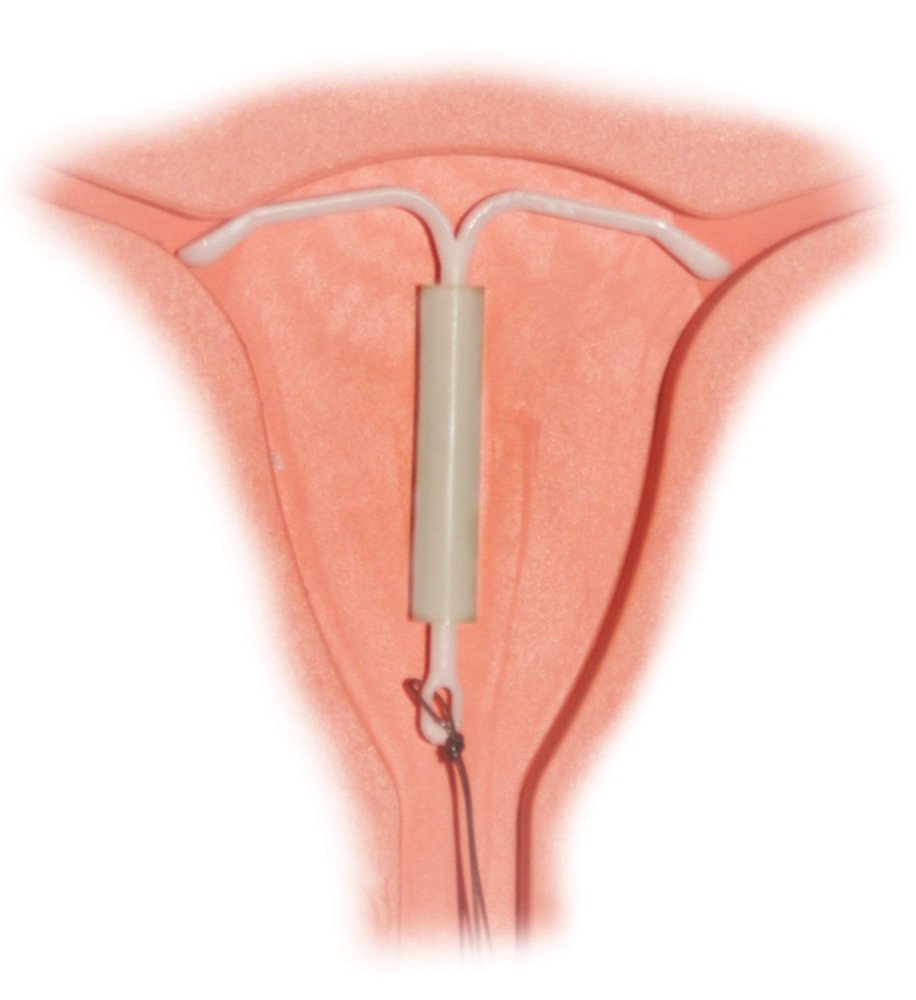
Levonorgestrel-releasing intrauterine system in a model uterus. The vertical arm carries the levonorgestrel reservoir; the threads pass through the cervical canal. Credit: Hic et nunc, Wikimedia Commons, public domain.

| Method | Mechanism and duration | Cardiovascular and hematologic effects | Place in heart disease |
|---|---|---|---|
| Levonorgestrel intrauterine device | Local progestin; 3 to 8 years by device | No increase in venous thrombosis (OR 0.3 in MEGA); reduces menstrual blood loss, with amenorrhea in up to 20% at 1 year | First choice for most women, including women on anticoagulants; insertion can provoke a vasovagal reaction |
| Copper intrauterine device | Copper ions; 10 years; also emergency contraception | No hormonal effect; increases menstrual bleeding and cramping | Category 1 for nearly all cardiac conditions; less suitable with anticoagulants or heavy bleeding |
| Etonogestrel implant | Subdermal rod; 3 years by label | No meaningful thrombotic effect; irregular bleeding | Most effective reversible method; inserted in an office without uterine instrumentation |
| DMPA injection | Injection at 3-month intervals | Venous thrombosis OR 3.6 in MEGA; lowers HDL cholesterol; hypoestrogenic bone loss; weight gain; delayed return of fertility | Category 3 in severe hypertension, vascular disease, ischemic heart disease, stroke, multiple risk factors, thrombophilia, past venous thromboembolism with higher recurrence risk, lupus with antiphospholipid antibodies, and peripartum cardiomyopathy with New York Heart Association (NYHA) class III or IV; intramuscular injection in anticoagulated women can cause hematoma |
| Progestin-only pill | Norethindrone, norgestrel, or drospirenone; daily | No meaningful thrombotic effect; drospirenone has antimineralocorticoid activity and can raise potassium | Safe for nearly all cardiac conditions; effectiveness depends on daily adherence; affected by enzyme-inducing drugs |
| Combined hormonal contraception | Estrogen with a progestin; pill, patch, or ring | Venous thrombosis about 5 times nonuse (OR 5.0 in MEGA, 3.6 with levonorgestrel); raises blood pressure; increases arterial thrombotic risk in smokers, migraine with aura, and hypertension | Avoided in most structural and vascular heart disease; acceptable in uncomplicated lesions without thrombotic risk |
| Tubal sterilization, salpingectomy, vasectomy | Permanent | Laparoscopy requires pneumoperitoneum and usually general anesthesia; vasectomy has no maternal risk | For completed families or when pregnancy is contraindicated; postpartum procedure under neuraxial anesthesia adds little risk |
| Lactational amenorrhea method | Suppression of ovulation by frequent suckling | None | Temporary bridge only, within strict criteria |
Contraceptive methods in women with heart disease. Venous thrombosis odds ratios from the MEGA case-control study (van Hylckama Vlieg 2009, 2010); effects on bleeding from Lindley 2021.
Estrogen and thrombosis. Ethinyl estradiol increases hepatic synthesis of clotting factors, which raises venous thrombotic risk, and increases angiotensinogen, which raises blood pressure. In MEGA, venous risk rose with estrogen dose and was highest in the first months of use (van Hylckama Vlieg 2009). Arterial risk is smaller in absolute terms but matters in women who smoke, have migraine with aura, are older, or have hypertension, vascular disease, or structural heart disease.
Progestins. Progestin-only methods other than DMPA have not shown a meaningful thrombotic effect (van Hylckama Vlieg 2010). DMPA's venous risk, fall in HDL cholesterol, and hypoestrogenic effect place it in US MEC category 3 for vascular conditions.
Lactational amenorrhea. The method protects against pregnancy only when three conditions hold: the woman is amenorrheic, she is fully or nearly fully breastfeeding without long intervals between feeds, and the infant is younger than 6 months. Under these conditions the pregnancy rate was 0.6% in a prospective study (Kazi 1995). Once any condition lapses, another method is needed. For women with heart disease in whom pregnancy would be dangerous, the method serves only as a bridge to a long-acting method.
Contraception after delivery: timing, breastfeeding, and immediate long-acting methods
Ovulation can return before the first postpartum visit in women who are not breastfeeding, so the method is chosen before discharge. Estrogen is avoided in the first weeks because postpartum venous thrombotic risk is at its highest; progestin-only methods and intrauterine devices can be started at once.
| Postpartum state | Implant | DMPA | Progestin-only pill | Combined methods |
|---|---|---|---|---|
| Not breastfeeding, <21 days | 1 | 2 | 1 | 4 |
| Not breastfeeding, 21–42 days, with other risk factors | 1 | 2 | 1 | 3 |
| Not breastfeeding, 21–42 days, without other risk factors | 1 | 1 | 1 | 2 |
| Not breastfeeding, >42 days | 1 | 1 | 1 | 1 |
| Breastfeeding, <21 days | 2 | 2 | 2 | 4 |
| Breastfeeding, 21 to <30 days | 2 | 2 | 2 | 3 |
| Breastfeeding, 30–42 days, with other risk factors | 1 | 2 | 1 | 3 |
| Breastfeeding, 30–42 days, without other risk factors | 1 | 1 | 1 | 2 |
| Breastfeeding, >42 days | 1 | 1 | 1 | 2 |
US MEC 2024 categories for hormonal contraception after delivery. Other venous thrombotic risk factors include age 35 years or older, previous venous thromboembolism, thrombophilia, immobility, transfusion at delivery, peripartum cardiomyopathy, body mass index of 30 or more, postpartum hemorrhage, cesarean delivery, preeclampsia, and smoking.
Intrauterine devices after delivery. Copper and levonorgestrel devices placed within 10 minutes of delivery of the placenta, or between 10 minutes and 4 weeks, are category 2, mainly because of a higher expulsion rate. Placement at 4 weeks or later is category 1, and postpartum sepsis is category 4. Immediate placement after vaginal or cesarean delivery avoids a second procedure and the gap in protection while the woman waits for an office visit, which matters most for women with heart disease who may not return. An implant can be placed before discharge, including during breastfeeding.
Women with heart disease. For most women with structural heart disease the practical choice is a levonorgestrel intrauterine device or an implant placed before discharge or at the first visit. Combined methods are excluded in the early weeks by the postpartum rows of the US MEC and, in most structural disease, permanently by the cardiac rows. The ACC decision pathway identifies progestin-only pills as a safe bridge during the postpartum and breastfeeding period for women with cardiovascular conditions (Lindley 2026).
Contraception by cardiac condition
The US MEC covers the conditions most relevant to adult cardiology. It does not classify congenital lesions individually; for those, the 2025 ESC guideline and specialist reviews apply the same principles of thrombotic risk, arrhythmia, and tolerance of procedures.
| Condition | Copper IUD | LNG IUD | Implant | DMPA | POP | Combined |
|---|---|---|---|---|---|---|
| Hypertension, adequately controlled | 1 | 1 | 1 | 2 | 1 | 3 |
| Pressure 140–159/90–99 mm Hg | 1 | 1 | 1 | 2 | 1 | 3 |
| Pressure ≥160/100 mm Hg | 1 | 2 | 2 | 3 | 2 | 4 |
| Hypertension with vascular disease | 1 | 2 | 2 | 3 | 2 | 4 |
| History of hypertension in pregnancy, current pressure normal | 1 | 1 | 1 | 1 | 1 | 2 |
| Multiple risk factors for atherosclerotic disease | 1 | 2 | 2 | 3 | 2 | 3/4 |
| Ischemic heart disease, current or past | 1 | 2/3 | 2/3 | 3 | 2/3 | 4 |
| Stroke | 1 | 2 | 2/3 | 3 | 2/3 | 4 |
| Valvular disease, uncomplicated | 1 | 1 | 1 | 1 | 1 | 2 |
| Valvular disease, complicated | 1 | 1 | 1 | 2 | 1 | 4 |
| Peripartum cardiomyopathy, NYHA I–II, <6 months | 2 | 2 | 1 | 2 | 1 | 4 |
| Peripartum cardiomyopathy, NYHA I–II, ≥6 months | 2 | 2 | 1 | 2 | 1 | 3 |
| Peripartum cardiomyopathy, NYHA III–IV | 2 | 2 | 2 | 3 | 2 | 4 |
| Venous thromboembolism on therapeutic anticoagulation | 2 | 2 | 2 | 2 | 2 | 3 |
| Past venous thromboembolism, higher recurrence risk, no anticoagulation | 1 | 2 | 2 | 3 | 2 | 4 |
| Thrombophilia, including antiphospholipid syndrome | 1 | 2 | 2 | 3 | 2 | 4 |
| Lupus with positive or unknown antiphospholipid antibodies | 1 | 2 | 2 | 3 | 2 | 4 |
| Migraine with aura | 1 | 1 | 1 | 1 | 1 | 4 |
| Age ≥35 years, ≥15 cigarettes a day | 1 | 1 | 1 | 1 | 1 | 4 |
US MEC 2024 categories for cardiovascular conditions (Nguyen 2024). Complicated valvular disease means pulmonary hypertension, risk of atrial fibrillation, or a history of subacute bacterial endocarditis. Two numbers separated by a slash give initiation and continuation (the higher number applies when the condition develops during use); 3/4 for combined methods means the category depends on severity. IUD, intrauterine device; LNG, levonorgestrel; POP, progestin-only pill.
Beyond the US MEC rows, several groups need a condition-specific decision.
| Condition | Main concern | Preferred methods | Avoided |
|---|---|---|---|
| Fontan circulation | Venous stasis and thrombosis; atrial arrhythmia; poor tolerance of vasovagal reactions and pneumoperitoneum | LNG IUD with monitored insertion; implant | Estrogen; laparoscopic sterilization where an alternative exists |
| Cyanotic heart disease, including Eisenmenger syndrome | Paradoxical embolism; erythrocytosis; vasovagal collapse | Implant; LNG IUD inserted where resuscitation is available | Estrogen |
| Pulmonary arterial hypertension | Very high maternal mortality; teratogenic drugs; enzyme induction by bosentan | Highly effective method, often two methods; LNG IUD or implant | Estrogen; reliance on a single hormonal method while taking bosentan |
| Mechanical heart valve | Valve thrombosis; warfarin embryopathy; anticoagulant-associated bleeding | LNG IUD (also reduces menstrual bleeding); implant | Estrogen; copper IUD when bleeding is heavy |
| Atrial fibrillation, flutter, or intra-atrial reentry | Thromboembolism | Progestin-only methods; IUDs | Estrogen |
| Aortopathy (Marfan, Loeys-Dietz, vascular Ehlers-Danlos, Turner) | Dissection in pregnancy; estrogen-related hypertension; modified WHO class IV, with pregnancy advised against, for aortic diameter above 45 mm in Marfan syndrome or other heritable thoracic aortic disease, above 50 mm with a bicuspid valve or other dilation, aortic size index above 25 mm/m² in Turner syndrome, vascular Ehlers-Danlos syndrome, and severe recoarctation | LNG IUD or implant | Estrogen when hypertension coexists |
| Spontaneous coronary artery dissection | Recurrence; hormonal influence suspected | Nonhormonal or LNG IUD; individualized | Estrogen, classified under ischemic heart disease |
| Heart transplant | Rejection, vasculopathy, immunosuppressant interactions | IUD or implant | Estrogen in complicated transplant |
| Hypertrophic cardiomyopathy | Atrial fibrillation; outflow obstruction worsened by vasovagal hypotension | LNG IUD or implant | Estrogen with atrial fibrillation or other thrombotic risk |
Contraception in conditions not individually classified by the US MEC, from the 2021 JACC Focus Seminar and the 2025 ESC guideline. Pregnancy and contraception in pulmonary hypertension, after transplant, and after peripartum cardiomyopathy are also reviewed with pulmonary hypertension, heart transplant long-term care, and heart failure with reduced ejection fraction.
Two methods are often combined when pregnancy would be life-threatening and the primary method is less than fully reliable, for example a barrier method with a progestin-only pill in a woman taking an enzyme inducer. In women with a mechanical valve, contraception is maintained until the anticoagulation plan for pregnancy is agreed, because an unplanned conception on warfarin exposes the embryo during weeks 6 to 12.
US MEC contraception lookup for cardiac conditions
The lookup returns the 2024 US MEC category of all methods for one condition. With several conditions, the highest category for a method applies; categories are not added.
Categories from the 2024 US MEC appendices. A slash separates initiation and continuation; 3/4 for combined methods depends on severity. Postpartum timing adds its own restriction in the postpartum table, and the stricter category applies.
Procedural safety: IUD insertion, vasovagal reactions, endocarditis prophylaxis, and sterilization
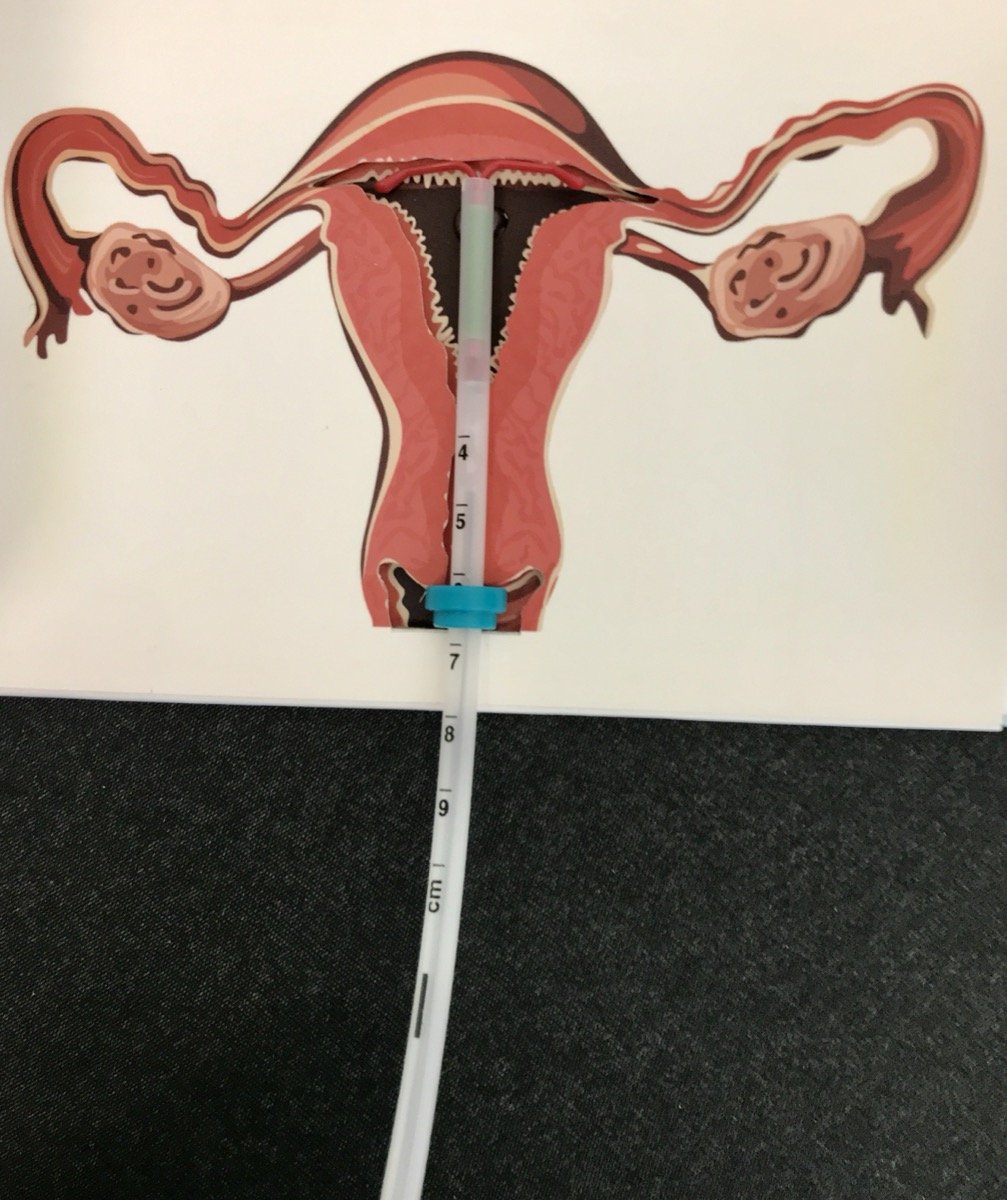
Insertion of a levonorgestrel intrauterine device in an anatomic model. Passage of the inserter through the cervical canal is the step most likely to provoke a vasovagal reaction. Credit: Whispyhistory, Wikimedia Commons, CC0.

Vasovagal reactions. Cervical dilation and uterine instrumentation can cause bradycardia and hypotension. Most reactions are brief and harmless. Sudden vasodilation and bradycardia are poorly tolerated, however, in women whose output depends on preload or heart rate: the Fontan circulation, Eisenmenger syndrome and other cyanotic lesions, severe pulmonary hypertension, severe aortic or mitral stenosis, and obstructive hypertrophic cardiomyopathy. The US MEC also notes that IUD placement can provoke arrhythmias, a concern in peripartum cardiomyopathy with severe dysfunction. For these women, insertion takes place where monitoring and resuscitation are available, with the woman forewarned of symptoms and clinicians ready to treat (Lindley 2021). The benefit of the device generally outweighs this risk. The implant avoids uterine instrumentation altogether.
Endocarditis prophylaxis. The American Heart Association does not recommend antibiotic prophylaxis solely to prevent endocarditis for genitourinary procedures, including IUD placement or removal, and the US MEC adopts that position (Nguyen 2024). Prophylaxis for women with prosthetic valves or prior endocarditis is discussed under endocarditis prophylaxis.
Sterilization. Laparoscopic tubal sterilization or salpingectomy usually requires general anesthesia, carbon dioxide pneumoperitoneum, and head-down positioning, which raise intrathoracic pressure and reduce venous return. These effects are poorly tolerated in the Fontan circulation, pulmonary hypertension, and other preload-dependent physiology. Sterilization at cesarean delivery or immediately after vaginal delivery under neuraxial anesthesia adds little risk. Hysteroscopic sterilization devices are no longer marketed in the United States. Vasectomy of a partner in a monogamous relationship carries no maternal risk and is the safest permanent option for the woman. Medicaid-funded sterilization requires written consent at least 30 days before the procedure and age 21 years or older (Lindley 2021), so the decision is made during pregnancy when sterilization at delivery is intended.
Drug interactions and heavy menstrual bleeding on anticoagulants
Endothelin receptor antagonists. Bosentan induces cytochrome P450 3A4 and can reduce exposure to hormonal contraceptives, including levonorgestrel used for emergency contraception (Lindley 2021). All endothelin receptor antagonists are contraindicated in pregnancy, and their prescribing information retains the embryo-fetal toxicity warning. The FDA eliminated the risk evaluation and mitigation strategy (REMS) for ambrisentan and macitentan products in April 2025 and later that year removed the embryo-fetal toxicity requirements from the bosentan REMS, keeping its hepatotoxicity requirements (FDA 2025). Contraception and drug choice in pulmonary arterial hypertension are reviewed with pulmonary arterial hypertension therapy in pregnancy.
Other enzyme inducers. Rifampin, rifabutin, and enzyme-inducing anticonvulsants such as phenytoin, carbamazepine, and oxcarbazepine reduce the effectiveness of combined methods, progestin-only pills, and the implant (US MEC category 3 for combined methods). DMPA and intrauterine devices are unaffected. Lamotrigine monotherapy is category 3 with combined methods because estrogen lowers lamotrigine concentrations. Delayed gastric emptying with tirzepatide reduces oral contraceptive exposure, and a nonoral or backup method is used after initiation and dose escalation; details are given under GLP-1 receptor agonists in pregnancy.
Warfarin. Warfarin is teratogenic, and women taking it need effective contraception. Starting or stopping a hormonal method can change the international normalized ratio (INR), which is rechecked after a change.
Heavy menstrual bleeding on anticoagulants. Abnormal uterine bleeding is common in women of reproductive age on anticoagulants and is a frequent reason for stopping them. In 1,888 women receiving anticoagulation for venous thromboembolism in the EINSTEIN trials, abnormal uterine bleeding was more frequent with rivaroxaban than with enoxaparin and a vitamin K antagonist (hazard ratio 2.13). Concomitant hormonal therapy was not associated with more recurrent thromboembolism (3.7% versus 4.7% per year) (Martinelli 2016). The levonorgestrel intrauterine device is the method of choice for an anticoagulated woman because it reduces menstrual blood loss; the copper device worsens it, and intramuscular DMPA can cause injection-site hematoma. Choice of anticoagulant in women of reproductive age is reviewed under direct oral anticoagulants in pregnancy.
Emergency contraception in women with heart disease
Three methods are available after unprotected intercourse. Oral levonorgestrel 1.5 mg is taken within 5 days and is most effective within 3 days. Ulipristal acetate 30 mg, a selective progesterone receptor modulator, is more effective than levonorgestrel at 3 to 5 days and in women with a body mass index above 25 kg/m². The copper intrauterine device, inserted within 5 days, is the most effective, with a failure rate below 0.1%, and continues as ongoing contraception (Lindley 2021). All three are considered acceptable for women with any cardiovascular condition, because the brief hormonal exposure does not carry the thrombotic risk of continuous estrogen. Bosentan and other enzyme inducers reduce the effectiveness of oral levonorgestrel, which makes the copper device the preferred emergency method in women taking them.
Termination of pregnancy in women with high-risk heart disease
Women with conditions in modified WHO class IV, such as pulmonary arterial hypertension or severe systemic ventricular dysfunction, receive counseling about all reproductive options, including termination, through shared decision-making. When termination is chosen, earlier is safer: complication rates rise with gestational age.
Surgical termination by uterine aspiration or dilation and evacuation is preferred in women with significant heart disease because its timing is predictable. Medical termination with mifepristone and misoprostol is less predictable and less suitable with high cardiac or bleeding risk or anticoagulation (Lindley 2021). Procedures are performed in a hospital, with cardiac anesthesia and monitoring available, for women with complex congenital heart disease, significant coronary disease, severe cardiomyopathy, significant valve disease, or pulmonary arterial hypertension. Post-procedure monitoring is extended for later second-trimester procedures, modified WHO class III or IV disease, and women on anticoagulant or antiplatelet therapy. Reversal of anticoagulation reduces bleeding but raises thrombotic risk, particularly with mechanical valves, and is planned in advance; aspirin alone does not significantly increase procedural bleeding.
The legal availability of abortion varies among US states, and women may need to travel. Clear, early documentation of maternal risk informs the decision and, where laws include exceptions for the mother's life or health, the assessment of eligibility.
Assisted reproduction in women with heart disease
In women with heart disease, the cardiovascular risks of fertility treatment arise at three points: ovarian stimulation, the procedures themselves, and the pregnancy that results.
Ovarian stimulation and ovarian hyperstimulation syndrome. Gonadotropin stimulation produces supraphysiologic estradiol concentrations. In severe ovarian hyperstimulation syndrome, capillary leak causes ascites, pleural and pericardial effusions, hemoconcentration, oliguria, and venous and arterial thrombosis. The American Society for Reproductive Medicine guideline recommends preventive strategies for high-risk women, including gonadotropin-releasing hormone antagonist protocols, a gonadotropin-releasing hormone agonist trigger in place of human chorionic gonadotropin, and freezing all embryos for later transfer (ASRM 2024). In women with heart disease, milder stimulation protocols or natural-cycle in vitro fertilization reduce exposure to these effects.
Venous thromboembolism. In a Swedish cohort of 23,498 women who gave birth after in vitro fertilization, venous thromboembolism occurred in 4.2 per 1,000 compared with 2.5 per 1,000 after natural conception (hazard ratio 1.77). Risk was highest in the first trimester, when pulmonary embolism occurred in 3.0 compared with 0.4 per 10,000 (hazard ratio 6.97) (Henriksson 2013). Thrombotic risk is assessed before stimulation, and prophylactic heparin is used in women at high risk.
Embryo number. Multiple gestation increases cardiac output, preeclampsia, preterm birth, and maternal morbidity, all of which are worse for a woman with heart disease. The 2025 ESC guideline strongly advises single-embryo transfer in women with heart disease and states that those who request fertility treatment are not turned down on the basis of assumed cardiovascular risk. It lists natural-cycle in vitro fertilization as an option for women in modified WHO class III or on anticoagulation and advises against fertility treatment in class IV.
Outcomes. In a US cohort of 100 pregnancies conceived with assisted reproduction in women with congenital or acquired heart disease, matched with 200 spontaneous pregnancies, rates of heart failure (4% in both groups), sustained arrhythmia (9% versus 6%), hypertensive disorders (21% versus 15%), and preterm birth were not significantly different (Valle 2026). The cohort was small and selected.
Anticoagulated women. For women on warfarin for a mechanical valve, anticoagulation through stimulation and the interruption around oocyte retrieval are planned in advance with the Pregnancy Heart Team, and the plan for anticoagulation in the resulting pregnancy is agreed before embryo transfer. Retrieval under sedation or general anesthesia is performed where cardiac anesthesia is available for women with high-risk lesions.
Oocyte cryopreservation and gestational carriers. Oocyte or embryo cryopreservation allows stimulation when cardiac status is stable, for example before valve surgery or teratogenic therapy. For women in whom pregnancy is contraindicated, a gestational carrier removes the hemodynamic load of pregnancy, but stimulation and retrieval still need the same thrombotic and anesthetic planning.
Gender-affirming hormone therapy in adults with congenital heart disease
Transgender and gender-diverse adults with congenital heart disease form a small but growing group (Harrison 2024). Their care combines the risks of the lesion with the cardiovascular effects of hormones. Published guidance consists of an AHA scientific statement on cardiovascular health in transgender and gender-diverse people (Streed 2021), the Endocrine Society and World Professional Association for Transgender Health (WPATH) standards for hormone therapy, and a set of care considerations specific to congenital heart disease (Harrison 2024).
| Therapy | Cardiovascular effect | Relevance in congenital heart disease | Approach |
|---|---|---|---|
| Estradiol (feminizing) | Venous thrombosis, greater with oral estradiol and highest with ethinyl estradiol | Fontan, cyanosis, atrial arrhythmia, mechanical valves, and severe ventricular dysfunction | Transdermal or parenteral estradiol; ethinyl estradiol avoided; estrogen-free regimens offered when thrombotic risk is high |
| Spironolactone (antiandrogen) | Hyperkalemia, especially with kidney dysfunction or other potassium-retaining drugs; doses up to 300 mg daily | Coexisting ACE inhibitors, angiotensin receptor blockers, or heart failure | Potassium and creatinine at 3-month intervals in the first year, then at least annually, more often in heart disease |
| Testosterone (masculinizing) | Erythrocytosis; systolic pressure about 2.6 mm Hg higher within months; arterial stiffness | Cyanotic disease with secondary erythrocytosis; aortopathy, aortic surgery, ventricular dysfunction, systemic atrioventricular valve regurgitation | Hemoglobin and hematocrit at baseline, at 3-month intervals in the first year, then once or twice yearly, more often with cyanosis; blood pressure at all visits |
| Gonadotropin-releasing hormone agonist | QT prolongation reported in older men treated for prostate cancer | Baseline QT prolongation; antiarrhythmic or psychotropic drugs | Electrocardiogram before starting; serial QTc when prolonged at baseline |
Gender-affirming hormone therapy in adult congenital heart disease, from Harrison 2024 and Streed 2021.
When a mineralocorticoid receptor antagonist is needed for a cardiac indication in a patient taking testosterone, eplerenone avoids the antiandrogenic effect of spironolactone (Harrison 2024). In the reported cohort of 21 adolescents and adults, there were no unplanned hospitalizations or thrombotic events over 71.1 person-years, and 2 of 9 patients on masculinizing therapy developed erythrocytosis (Harrison 2024). Gender-affirming surgery in patients with complex or high-risk lesions takes place at a center with adult congenital heart disease expertise and cardiac anesthesia, because adults with congenital heart disease have higher morbidity and mortality with noncardiac surgery.
Pregnancy and contraception. Testosterone suppresses menses in most patients but does not reliably prevent ovulation, and it is not a contraceptive; pregnancy can occur in transgender men taking it (Coleman 2022). Testosterone is contraindicated in pregnancy. Patients with a uterus who have intercourse that can result in pregnancy therefore need contraception, chosen by the same US MEC categories as for any patient with their cardiac lesion. The levonorgestrel intrauterine device and the implant contain no estrogen and are suitable for most patients. Patients considering future pregnancy or fertility preservation are counseled before starting hormone therapy.
Mental health. In the reported cohort, 81% had a mental health diagnosis and 24% had smoked (Harrison 2024); minority stress and reduced access to care add to cardiovascular risk in transgender and gender-diverse adults (Streed 2021).
Sources of error in postpartum cardiovascular care and contraception
- Ending cardiovascular follow-up at the 6-week visit, when more than half of pregnancy-related deaths occur between 7 days and 1 year after delivery.
- Attributing postpartum dyspnea, orthopnea, or edema to normal recovery without natriuretic peptide and echocardiography, which delays the diagnosis of peripartum cardiomyopathy.
- Omitting the pregnancy history from cardiovascular assessment, so that preeclampsia, gestational diabetes, and preterm delivery never reach the risk discussion.
- Prescribing a combined hormonal contraceptive in the first 21 days after delivery, or to a woman with complicated valvular disease, a Fontan circulation, cyanosis, migraine with aura, or uncontrolled hypertension.
- Relying on an oral hormonal method or oral emergency contraception in a woman taking bosentan, rifampin, or an enzyme-inducing anticonvulsant.
- Inserting an intrauterine device in a woman with a Fontan circulation, Eisenmenger syndrome, or severe pulmonary hypertension without monitoring and resuscitation available.
- Treating testosterone as contraception in a transgender man with congenital heart disease.
References
- Lindley KJ, Bello NA, Berlacher KL, et al. Optimization of postpartum care for patients with and at risk for premature and long-term cardiovascular disease: 2026 ACC expert consensus decision pathway: a report of the American College of Cardiology Solution Set Oversight Committee. J Am Coll Cardiol. 2026;88:2087–2110. doi:10.1016/j.jacc.2025.11.001
- Lewey J, Beckie TM, Brown HL, et al. Opportunities in the postpartum period to reduce cardiovascular disease risk after adverse pregnancy outcomes: a scientific statement from the American Heart Association. Circulation. 2024;149:e330–e346. doi:10.1161/CIR.0000000000001212
- Parikh NI, Gonzalez JM, Anderson CAM, et al. Adverse pregnancy outcomes and cardiovascular disease risk: unique opportunities for cardiovascular disease prevention in women: a scientific statement from the American Heart Association. Circulation. 2021;143:e902–e916. doi:10.1161/CIR.0000000000000961
- Nguyen AT, Curtis KM, Tepper NK, et al. U.S. medical eligibility criteria for contraceptive use, 2024. MMWR Recomm Rep. 2024;73(4):1–126. doi:10.15585/mmwr.rr7304a1
- American College of Obstetricians and Gynecologists. Optimizing postpartum care: ACOG Committee Opinion No. 736. Obstet Gynecol. 2018;131:e140–e150. doi:10.1097/AOG.0000000000002633
- American College of Obstetricians and Gynecologists, Society for Maternal-Fetal Medicine. Obstetric Care Consensus No. 8: interpregnancy care. Obstet Gynecol. 2019;133:e51–e72. doi:10.1097/AOG.0000000000003025
- American College of Obstetricians and Gynecologists. Low-dose aspirin use during pregnancy: ACOG Committee Opinion No. 743. Obstet Gynecol. 2018;132:e44–e52. doi:10.1097/AOG.0000000000002708
- De Backer J, Haugaa KH, Hasselberg NE, et al. 2025 ESC guidelines for the management of cardiovascular disease and pregnancy. Eur Heart J. 2025;46:4462–4568. doi:10.1093/eurheartj/ehaf193. Correction: Eur Heart J. 2026;47:812.
- Blumenthal RS, Morris PB, Gaudino M, et al. 2026 ACC/AHA/AACVPR/ABC/ACPM/ADA/AGS/APhA/ASPC/NLA/PCNA guideline on the management of dyslipidemia: a report of the American College of Cardiology/American Heart Association Joint Committee on Clinical Practice Guidelines. J Am Coll Cardiol. 2026;87:2624–2757.
- Lloyd-Jones DM, Allen NB, Anderson CAM, et al. Life's Essential 8: updating and enhancing the American Heart Association's construct of cardiovascular health: a presidential advisory from the American Heart Association. Circulation. 2022;146:e18–e43. doi:10.1161/CIR.0000000000001078
- Trost SL, Beauregard J, Njie F, et al. Pregnancy-related deaths: data from maternal mortality review committees in 36 US states, 2017–2019. Atlanta, GA: Centers for Disease Control and Prevention; 2022.
- Hoyert DL. Maternal mortality rates in the United States, 2023. NCHS Health E-Stats. Hyattsville, MD: National Center for Health Statistics; 2025. doi:10.15620/cdc/174577
- Hirshberg A, Downes K, Srinivas S. Comparing standard office-based follow-up with text-based remote monitoring in the management of postpartum hypertension: a randomised clinical trial. BMJ Qual Saf. 2018;27:871–877. doi:10.1136/bmjqs-2018-007837
- Lewey J, Levine LD, Yang L, Triebwasser JE, Groeneveld PW. Patterns of postpartum ambulatory care follow-up care among women with hypertensive disorders of pregnancy. J Am Heart Assoc. 2020;9:e016357. doi:10.1161/JAHA.120.016357
- Grandi SM, Filion KB, Yoon S, et al. Cardiovascular disease-related morbidity and mortality in women with a history of pregnancy complications. Circulation. 2019;139:1069–1079. doi:10.1161/CIRCULATIONAHA.118.036748
- Okoth K, Chandan JS, Marshall T, et al. Association between the reproductive health of young women and cardiovascular disease in later life: umbrella review. BMJ. 2020;371:m3502. doi:10.1136/bmj.m3502
- Wu P, Gulati M, Kwok CS, et al. Preterm delivery and future risk of maternal cardiovascular disease: a systematic review and meta-analysis. J Am Heart Assoc. 2018;7:e007809. doi:10.1161/JAHA.117.007809
- Kramer CK, Campbell S, Retnakaran R. Gestational diabetes and the risk of cardiovascular disease in women: a systematic review and meta-analysis. Diabetologia. 2019;62:905–914. doi:10.1007/s00125-019-4840-2
- Vounzoulaki E, Khunti K, Abner SC, et al. Progression to type 2 diabetes in women with a known history of gestational diabetes: systematic review and meta-analysis. BMJ. 2020;369:m1361. doi:10.1136/bmj.m1361
- Wang M, Zhang J, Yuan L, et al. Miscarriage and stillbirth in relation to risk of cardiovascular diseases: a systematic review and meta-analysis. Eur J Obstet Gynecol Reprod Biol. 2024;297:1–7. doi:10.1016/j.ejogrb.2024.03.035
- Haas DM, Parker CB, Marsh DJ, et al. Association of adverse pregnancy outcomes with hypertension 2 to 7 years postpartum. J Am Heart Assoc. 2019;8:e013092. doi:10.1161/JAHA.119.013092
- Behrens I, Basit S, Melbye M, et al. Risk of post-pregnancy hypertension in women with a history of hypertensive disorders of pregnancy: nationwide cohort study. BMJ. 2017;358:j3078. doi:10.1136/bmj.j3078
- Stuart JJ, Tanz LJ, Rimm EB, et al. Cardiovascular risk factors mediate the long-term maternal risk associated with hypertensive disorders of pregnancy. J Am Coll Cardiol. 2022;79:1901–1913. doi:10.1016/j.jacc.2022.03.335
- Romundstad PR, Magnussen EB, Smith GD, Vatten LJ. Hypertension in pregnancy and later cardiovascular risk: common antecedents? Circulation. 2010;122:579–584. doi:10.1161/CIRCULATIONAHA.110.943407
- Countouris ME, Villanueva FS, Berlacher KL, et al. Association of hypertensive disorders of pregnancy with left ventricular remodeling later in life. J Am Coll Cardiol. 2021;77:1057–1068. doi:10.1016/j.jacc.2020.12.051
- Benschop L, Brouwers L, Zoet GA, et al. Early onset of coronary artery calcification in women with previous preeclampsia. Circ Cardiovasc Imaging. 2020;13:e010340. doi:10.1161/CIRCIMAGING.119.010340
- Vikse BE, Irgens LM, Leivestad T, Skjaerven R, Iversen BM. Preeclampsia and the risk of end-stage renal disease. N Engl J Med. 2008;359:800–809. doi:10.1056/NEJMoa0706790
- Zhu D, Chung HF, Dobson AJ, et al. Age at natural menopause and risk of incident cardiovascular disease: a pooled analysis of individual patient data. Lancet Public Health. 2019;4:e553–e564. doi:10.1016/S2468-2667(19)30155-0
- Tschiderer L, Seekircher L, Kunutsor SK, et al. Breastfeeding is associated with a reduced maternal cardiovascular risk: systematic review and meta-analysis involving data from 8 studies and 1 192 700 parous women. J Am Heart Assoc. 2022;11:e022746. doi:10.1161/JAHA.121.022746
- ElSayed NA, Aleppo G, Aroda VR, et al. 15. Management of diabetes in pregnancy: Standards of Care in Diabetes—2023. Diabetes Care. 2023;46(Suppl 1):S254–S266. doi:10.2337/dc23-S015
- Mulder JWCM, Kusters DM, Roeters van Lennep JE, Hutten BA. Lipid metabolism during pregnancy: consequences for mother and child. Curr Opin Lipidol. 2024;35:133–140. doi:10.1097/MOL.0000000000000927
- Formisano E, Proietti E, Perrone G, et al. Characteristics, physiopathology and management of dyslipidemias in pregnancy: a narrative review. Nutrients. 2024;16:2927. doi:10.3390/nu16172927
- Lindley KJ, Bairey Merz CN, Davis MB, et al. Contraception and reproductive planning for women with cardiovascular disease: JACC Focus Seminar 5/5. J Am Coll Cardiol. 2021;77:1823–1834. doi:10.1016/j.jacc.2021.02.025
- van Hylckama Vlieg A, Helmerhorst FM, Vandenbroucke JP, Doggen CJ, Rosendaal FR. The venous thrombotic risk of oral contraceptives, effects of oestrogen dose and progestogen type: results of the MEGA case-control study. BMJ. 2009;339:b2921. doi:10.1136/bmj.b2921
- van Hylckama Vlieg A, Helmerhorst FM, Rosendaal FR. The risk of deep venous thrombosis associated with injectable depot-medroxyprogesterone acetate contraceptives or a levonorgestrel intrauterine device. Arterioscler Thromb Vasc Biol. 2010;30:2297–2300. doi:10.1161/ATVBAHA.110.211482
- Martinelli I, Lensing AW, Middeldorp S, et al. Recurrent venous thromboembolism and abnormal uterine bleeding with anticoagulant and hormone therapy use. Blood. 2016;127:1417–1425. doi:10.1182/blood-2015-08-665927
- Kazi A, Kennedy KI, Visness CM, Khan T. Effectiveness of the lactational amenorrhea method in Pakistan. Fertil Steril. 1995;64:717–723. doi:10.1016/S0015-0282(16)57845-5
- US Food and Drug Administration. Endothelin receptor antagonist REMS information. Silver Spring, MD: FDA; 2025. fda.gov
- Henriksson P, Westerlund E, Wallén H, et al. Incidence of pulmonary and venous thromboembolism in pregnancies after in vitro fertilisation: cross sectional study. BMJ. 2013;346:e8632. doi:10.1136/bmj.e8632
- Practice Committee of the American Society for Reproductive Medicine. Prevention of moderate and severe ovarian hyperstimulation syndrome: a guideline. Fertil Steril. 2024;121:230–245. doi:10.1016/j.fertnstert.2023.11.013. Corrigenda: Fertil Steril. 2025;123:741 and 2026;125:937.
- Valle C, Krishna N, Reyes FB, et al. Assisted reproductive technology for adults with congenital and acquired heart disease. JACC Adv. 2026;5:102812. doi:10.1016/j.jacadv.2026.102812
- Harrison DJ, Prada F, Nokoff NJ, et al. Considerations for gender-affirming hormonal and surgical care among transgender and gender diverse adolescents and adults with congenital heart disease. J Am Heart Assoc. 2024;13:e031004. doi:10.1161/JAHA.123.031004
- Streed CG Jr, Beach LB, Caceres BA, et al. Assessing and addressing cardiovascular health in people who are transgender and gender diverse: a scientific statement from the American Heart Association. Circulation. 2021;144:e136–e148. doi:10.1161/CIR.0000000000001003
- Coleman E, Radix AE, Bouman WP, et al. Standards of care for the health of transgender and gender diverse people, version 8. Int J Transgend Health. 2022;23(Suppl 1):S1–S259. doi:10.1080/26895269.2022.2100644
- American College of Cardiology. LDL-C Manager: lipid-lowering therapy web tool (accessed November 2026). tools.acc.org/ldl
- Watts GF, Gidding SS, Hegele RA, et al. International Atherosclerosis Society guidance for implementing best practice in the care of familial hypercholesterolaemia. Nat Rev Cardiol. 2023;20:845–869. doi:10.1038/s41569-023-00892-0