Library › Special populations and systemic disease › Targeted cancer therapy cardiotoxicity
Cardiovascular toxicity of targeted cancer therapies
Cardiovascular toxicity of targeted and small-molecule cancer drugs in adults, organized by drug class, with monitoring schedules, action thresholds, and decisions to continue or interrupt cancer therapy.
Targeted cancer drugs cause predictable cardiovascular injury by class: vascular endothelial growth factor (VEGF) inhibitors raise blood pressure and cause arterial events; Bruton tyrosine kinase (BTK) inhibitors cause atrial fibrillation, hypertension, and bleeding; nilotinib and ponatinib accelerate arterial occlusion; fluoropyrimidines cause coronary vasospasm; and carfilzomib causes hypertension and heart failure. Most toxicity is treated while the cancer drug continues. Blood pressure of 180/110 mm Hg or more, or a Fridericia-corrected QTc above 500 ms, is the usual threshold for holding therapy.
Mechanisms of targeted-therapy cardiovascular toxicity: on-target and off-target effects
Targeted cancer drugs inhibit signaling pathways that tumors depend on, but the same pathways maintain the endothelium, cardiomyocytes, platelets, and the conduction system. Cardiovascular toxicity is therefore either on-target, when the intended pathway also serves a cardiovascular function, or off-target, when the drug inhibits other kinases or channels. VEGF inhibitors are the clearest on-target example: VEGF signaling sustains endothelial nitric oxide production and capillary density, so blocking it raises blood pressure in almost all patients to some degree. Ibrutinib-associated atrial fibrillation is largely off-target; it reflects inhibition of kinases other than Bruton tyrosine kinase, which is why the more selective second-generation BTK inhibitors cause less of it. On-target toxicity is shared across a class and is treated supportively; off-target toxicity can often be avoided by switching to a more selective drug.
Endothelial dysfunction is the common thread. VEGF inhibitors, BCR-ABL inhibitors with activity against other kinases (nilotinib, ponatinib), fluoropyrimidines, and proteasome inhibitors all impair endothelial function, which appears clinically as hypertension, vasospasm, accelerated atherosclerosis, arterial thrombosis, or microvascular injury. Small-molecule kinase inhibitors are also metabolized by cytochrome P450 3A4 (CYP3A4) and many inhibit P-glycoprotein, so drug interactions with antiarrhythmic drugs, calcium channel blockers, anticoagulants, and statins are part of almost all cardio-oncology decisions. Kinase inhibitors are among the oncology drugs with clinically important cardiovascular drug interactions.
Timing follows mechanism: VEGF-inhibitor hypertension appears within days, fluoropyrimidine vasospasm during or soon after an infusion, carfilzomib toxicity in the first 3 months, and BTK-inhibitor atrial fibrillation and BCR-ABL arterial events over months to years. Surveillance schedules follow these time courses.
Three documents frame the field. The 2022 European Society of Cardiology (ESC) cardio-oncology guideline is the only full guideline and gives drug-class recommendations for monitoring and management. The 2025 American College of Cardiology (ACC) Concise Clinical Guidance on BTK, immune checkpoint, and VEGF inhibitors is the US statement for those classes and emphasizes baseline risk assessment, class-specific surveillance, and permissive cardiotoxicity. The 2022 International Cardio-Oncology Society (IC-OS) consensus standardizes definitions of cancer therapy–related hypertension, QTc prolongation, and vascular toxicity. Most recommendations rest on expert opinion (level C), because randomized trials of cardiovascular management in patients receiving targeted therapy are few.
| Drug class | Examples | Principal cardiovascular toxicities | Main surveillance |
|---|---|---|---|
| VEGF signaling inhibitors | Bevacizumab, ramucirumab, aflibercept; sunitinib, sorafenib, pazopanib, axitinib, cabozantinib, lenvatinib, regorafenib, vandetanib | Hypertension, hypertensive emergency and PRES, heart failure, arterial thrombosis, proteinuria, thrombotic microangiopathy, QT prolongation (vandetanib, sunitinib) | Home blood pressure from the first cycle; urine protein; ECG for QT-prolonging agents; echocardiography when heart failure is suspected or risk is high |
| BCR-ABL tyrosine kinase inhibitors | Imatinib, dasatinib, nilotinib, bosutinib, ponatinib, asciminib | Arterial occlusive events (nilotinib, ponatinib), QT prolongation (nilotinib), pleural effusion and pulmonary arterial hypertension (dasatinib), heart failure, hypertension (ponatinib), hyperglycemia and dyslipidemia (nilotinib) | Cardiovascular risk assessment with blood pressure, lipids, and glycated hemoglobin; ECG; ankle-brachial index for nilotinib and ponatinib; echocardiography for dyspnea on dasatinib |
| BTK inhibitors | Ibrutinib, acalabrutinib, zanubrutinib, pirtobrutinib | Atrial fibrillation, hypertension, bleeding, ventricular arrhythmia and sudden death, heart failure | Blood pressure at all visits; pulse or ECG for atrial fibrillation; ECG at 3- to 6-month intervals |
| Fluoropyrimidines | Fluorouracil (5-FU), capecitabine | Coronary vasospasm, myocardial infarction, Takotsubo syndrome, arrhythmia, sudden death | Symptom recognition during infusion; ECG and troponin for chest pain; DPYD genotyping before treatment |
| Proteasome inhibitors | Carfilzomib, bortezomib, ixazomib | Hypertension, heart failure, pulmonary hypertension, ischemia, arrhythmia (carfilzomib much more than bortezomib) | Blood pressure, natriuretic peptide, echocardiography, volume status |
| Immunomodulatory drugs | Thalidomide, lenalidomide, pomalidomide | Venous and arterial thrombosis, bradycardia (thalidomide) | Thromboprophylaxis by risk |
| RAF and MEK inhibitors | Dabrafenib, vemurafenib, encorafenib; trametinib, cobimetinib, binimetinib | Reduced left ventricular ejection fraction (LVEF), hypertension, pulmonary embolism, QT prolongation (vemurafenib, encorafenib) | Echocardiography at baseline and during therapy, blood pressure, ECG |
| ALK inhibitors | Crizotinib, ceritinib, alectinib, brigatinib, lorlatinib | Bradycardia, atrioventricular block (lorlatinib), QT prolongation (crizotinib, ceritinib), hypertension (brigatinib), dyslipidemia (lorlatinib) | Heart rate, ECG, blood pressure, lipids |
| EGFR inhibitors | Osimertinib | QT prolongation, reduced LVEF, heart failure | ECG and electrolytes; echocardiography in patients with cardiac risk factors |
| CDK4/6 inhibitors | Ribociclib, abemaciclib, palbociclib | QT prolongation (ribociclib), venous thromboembolism (abemaciclib) | ECG before and during ribociclib |
| Differentiating agents | Arsenic trioxide | QT prolongation, torsades de pointes, complete atrioventricular block | ECG and electrolytes at least weekly |
Cardiovascular toxicity of targeted cancer therapies by drug class, after the 2022 ESC cardio-oncology guideline, the 2025 ACC Concise Clinical Guidance, and US prescribing information. ALK, anaplastic lymphoma kinase; CDK4/6, cyclin-dependent kinases 4 and 6; EGFR, epidermal growth factor receptor; MEK, mitogen-activated protein kinase kinase; PRES, posterior reversible encephalopathy syndrome.
Baseline cardiovascular assessment before targeted therapy
Before a targeted drug with a known cardiovascular signal is started, the patient's cardiovascular history, blood pressure, ECG, lipids, glycated hemoglobin, and kidney function are recorded, and echocardiography is obtained in patients at high risk. The ACC guidance adds cardiac troponin and natriuretic peptide as optional measurements. Baseline data set the intensity of surveillance and the reference for later change; pre-existing cardiovascular disease is not by itself a reason to withhold effective cancer therapy.
The HFA-ICOS risk tools, published by the Heart Failure Association of the ESC with IC-OS in 2020, grade baseline risk as low, medium, high, or very high from prior cardiovascular disease, biomarkers, age, cardiovascular risk factors, prior cardiotoxic therapy, and lifestyle factors. Separate versions exist for anthracyclines, human epidermal growth factor receptor 2 (HER2)–targeted therapy, VEGF inhibitors, BCR-ABL inhibitors, multiple myeloma therapies (proteasome inhibitors and immunomodulatory drugs), and RAF and MEK inhibitors. The ESC guideline recommends these tools before the corresponding therapies.
VEGF signaling inhibitors: agents and cardiovascular profile
VEGF signaling inhibitors act at three levels. Bevacizumab binds circulating VEGF-A, aflibercept is a decoy receptor for VEGF-A, VEGF-B, and placental growth factor, and ramucirumab blocks VEGF receptor 2; all three are given intravenously with chemotherapy. The oral tyrosine kinase inhibitors (TKIs) sunitinib, sorafenib, pazopanib, axitinib, cabozantinib, lenvatinib, regorafenib, tivozanib, and vandetanib block the receptor kinase and most also inhibit other kinases; they are taken continuously, often for years, for renal cell, hepatocellular, thyroid, and other cancers.
Hypertension is the most common toxicity of the class, and its frequency depends on the agent, the dose, and the tumor; lenvatinib causes the highest rates. In a meta-analysis of 20 randomized trials, bevacizumab carried a relative risk of 5.28 for high-grade hypertension compared with control (Ranpura 2010). The ESC guideline quotes bevacizumab hypertension rates of 5% to 42% and ramucirumab rates of 16% to 26%, with higher rates when either is combined with erlotinib.
| Toxicity | Agents and incidence | Source |
|---|---|---|
| Hypertension, all grade | Bevacizumab 23.6% (grade 3–4: 7.9%); sorafenib 23.4% (grade 3–4: 5.7%); lenvatinib 73% in SELECT, 45% in REFLECT | Meta-analyses (Ranpura 2010, Wu 2008); lenvatinib US label |
| Arterial thromboembolism | Bevacizumab with chemotherapy: HR 2.0 vs chemotherapy alone; grade 3–5 events 5% vs ≤2%. Sunitinib or sorafenib: incidence 1.4%, relative risk 3.03 | Scappaticci 2007; bevacizumab US label; Choueiri 2010 |
| Heart failure | Sunitinib: all grade 4.1%, high grade 1.5%, relative risk 1.81. Bevacizumab in breast cancer: high grade 1.6% vs 0.4%, relative risk 4.74 | Richards 2011; Choueiri 2011 |
| Proteinuria | Bevacizumab: all grade 20% in the trial where it was systematically assessed | Bevacizumab US label |
| PRES | Bevacizumab: <0.5% across clinical studies | Bevacizumab US label |
| Venous thromboembolism | Bevacizumab with chemotherapy: no increase in pooled randomized trials (HR 0.89) | Scappaticci 2007 |
Cardiovascular toxicity of VEGF signaling inhibitors. Incidence varies with dose, tumor type, concomitant chemotherapy, and how actively blood pressure and proteinuria were measured. HR, hazard ratio.
Mechanism of VEGF-inhibitor hypertension
VEGF acting through VEGF receptor 2 on endothelial cells activates phosphatidylinositol 3-kinase and Akt, which phosphorylate endothelial nitric oxide synthase and increase production of nitric oxide and prostacyclin. Blocking this pathway produces hypertension through several linked mechanisms. Loss of nitric oxide causes arteriolar vasoconstriction within hours to days. Endothelin-1 rises, and endothelin receptor antagonists prevent the pressor response in experimental models, which places endothelin at the center of the acute rise in pressure. Over weeks, capillary rarefaction, the loss of small vessels in skin and muscle, raises peripheral resistance structurally. In the kidney, VEGF produced by podocytes maintains glomerular endothelial fenestrations; its inhibition causes glomerular endothelial injury, proteinuria, and in severe cases thrombotic microangiopathy, which can add renal hypertension. Increased arterial stiffness and oxidative stress contribute in patients with long exposure. The renin-angiotensin system is not primarily activated; plasma renin is usually normal or suppressed.
The rise in pressure is rapid, dose-dependent, and largely reversible within days of stopping the drug. Pressure can therefore fall sharply when a TKI is held in a patient taking several antihypertensive drugs, and antihypertensive doses are reduced during interruptions.
Hypertension has been studied as a biomarker of anticancer efficacy. In pooled sunitinib trials in renal cell carcinoma, patients who reached a systolic pressure of 140 mm Hg or more had longer progression-free and overall survival, and patients taking antihypertensive drugs at baseline had objective response rates similar to those of patients not taking them (Rini 2011). The association is no reason to withhold antihypertensive therapy.
Monitoring and treatment of VEGF-inhibitor hypertension
Monitoring. Blood pressure is controlled before the first dose, because patients who start treatment above target are the most likely to develop a hypertensive emergency. The 2022 ESC guideline recommends home blood-pressure monitoring daily during the first cycle and at 2- to 3-week intervals thereafter, with measurement at all clinical visits. Home readings follow standard home blood pressure monitoring technique.
Definitions and thresholds. The IC-OS consensus defines treatment thresholds for patients before, during, and after cancer therapy and a threshold at which cancer therapy is deferred or held; the 2022 ESC guideline uses the same thresholds. US blood-pressure targets come from the 2025 American Heart Association (AHA)/ACC guideline, which sets a target below 130/80 mm Hg for most adults with hypertension.
| Category | Office blood pressure | Action |
|---|---|---|
| Below the diagnostic threshold | <130 systolic and <80 diastolic | Continue monitoring |
| Treatment threshold with cardiovascular disease, proteinuric kidney disease, or diabetes | ≥130 systolic and/or ≥80 diastolic | Start or intensify antihypertensive therapy; cancer therapy continues |
| Treatment threshold in all other patients | ≥140 systolic and/or ≥90 diastolic | Start or intensify antihypertensive therapy; cancer therapy continues |
| Exaggerated hypertensive response | Systolic rise >20 mm Hg or mean arterial pressure rise >15 mm Hg from baseline | Earlier treatment, even below the absolute thresholds |
| Severe hypertension, cancer therapy threshold | ≥180 systolic and/or ≥110 diastolic | VEGF inhibitor deferred or held until pressure is below 160/100 mm Hg; antihypertensive therapy intensified |
| Hypertensive emergency | Very high pressure with acute organ damage (encephalopathy, PRES, stroke, acute heart failure, myocardial infarction, dissection, acute kidney injury) | Cancer drug stopped; intravenous treatment in a monitored unit; cancer therapy resumed only after the emergency resolves, often at lower dose or with a different agent |
Blood pressure definitions and actions in patients receiving cancer therapy, from the 2022 IC-OS consensus as adopted in the 2022 ESC guideline. Home thresholds are 5 mm Hg lower. US treatment targets follow the 2025 AHA/ACC guideline.
Choice of antihypertensive drug. The ACC guidance lists angiotensin-converting enzyme (ACE) inhibitors, angiotensin receptor blockers (ARBs), calcium channel blockers, and diuretics as appropriate. The ESC guideline recommends an ACE inhibitor or ARB, or a dihydropyridine calcium channel blocker, as first-line treatment, with the combination used when monotherapy fails or pressure is markedly raised. An ACE inhibitor or ARB is preferred when proteinuria is present. Amlodipine and nifedipine lower pressure effectively by direct arteriolar dilation, which addresses the vasoconstrictor mechanism.
Diltiazem and verapamil are not recommended with VEGF TKIs. Both inhibit CYP3A4 and raise exposure to sunitinib, pazopanib, axitinib, and other kinase inhibitors that depend on that pathway, and the ESC guideline advises against them for hypertension in patients receiving cancer drugs with this interaction. Nifedipine and amlodipine are CYP3A4 substrates but not meaningful inhibitors. Vasodilating beta blockers (carvedilol, nebivolol) serve as third agents, particularly with heart failure, atrial fibrillation, or coronary disease. Diuretics are effective but cause hypokalemia and hypomagnesemia, which matter with QT-prolonging TKIs. Spironolactone is used in resistant cases; nitrates and phosphodiesterase-5 inhibitors have been reported only in small series.
Dose interruption. When pressure remains at 160/100 mm Hg or higher on two or three drugs, or reaches 180/110 mm Hg, the cancer drug is interrupted or its dose reduced, in consultation with oncology and according to its labeling. Bevacizumab labeling directs withholding for severe uncontrolled hypertension and permanent discontinuation for hypertensive crisis or encephalopathy. VEGF inhibitors are among many drugs and substances that raise blood pressure.
Hypertensive emergency and posterior reversible encephalopathy syndrome with VEGF inhibitors
Hypertensive emergency is severe hypertension, usually above 180/120 mm Hg, with acute organ damage. With VEGF inhibitors the organ most often affected is the brain, through posterior reversible encephalopathy syndrome (PRES), but acute heart failure, acute coronary syndrome, aortic dissection, and acute kidney injury also occur. Hypertensive emergency usually occurs early, in patients whose pressure was poorly controlled at baseline or not monitored after the first dose.
PRES is a failure of cerebral autoregulation and endothelial integrity that produces vasogenic edema, usually parieto-occipital. It presents with headache, altered consciousness, visual loss, and seizures, which are often the first sign. With VEGF inhibitors it occurs at only moderately raised pressure, because endothelial injury lowers the threshold at which autoregulation fails. It has been reported across the class, including bevacizumab, sunitinib, pazopanib, and lenvatinib; bevacizumab labeling reports it in fewer than 0.5% of patients.
MRI shows symmetric fluid-attenuated inversion recovery (FLAIR) and T2 hyperintensity in the posterior subcortical white matter, and diffusion-weighted imaging separates vasogenic edema from infarction; CT is often normal. Brain metastases, stroke, cerebral venous sinus thrombosis, infection, and drug neurotoxicity are the main alternatives.
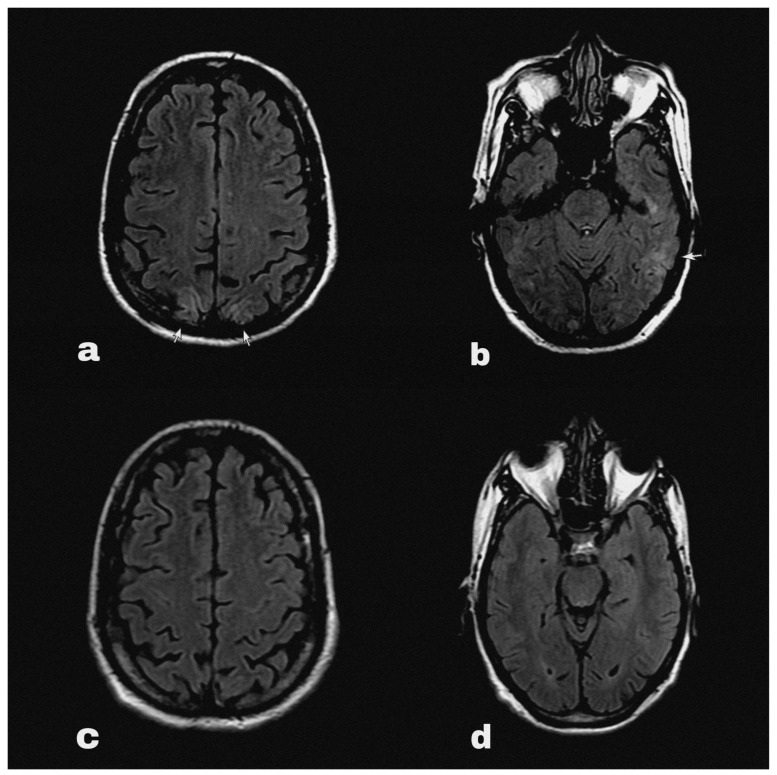
Treatment. The VEGF inhibitor is stopped, and pressure is lowered with an intravenous titratable agent (nicardipine, clevidipine, or labetalol) in an intensive care unit, by no more than 25% in the first hour, then toward 160/100 mm Hg over 2 to 6 hours, as in hypertensive encephalopathy and PRES from other causes. Most patients recover within days clinically and within weeks radiologically.
Rechallenge after PRES is individualized. Bevacizumab labeling directs permanent discontinuation; lenvatinib labeling directs withholding until full resolution, then a reduced dose or discontinuation. Restarting the same or a different VEGF inhibitor after radiologic recovery, with pressure controlled and monitored daily, is a joint decision of oncology, cardiology, and neurology.
Heart failure, arterial thrombosis, proteinuria, and thrombotic microangiopathy with VEGF inhibitors
Left ventricular dysfunction and heart failure. VEGF TKIs cause a fall in LVEF and clinical heart failure in a small proportion of patients; incidence with sunitinib and bevacizumab is given in the VEGF toxicity table. Afterload from hypertension, myocardial microvascular rarefaction, and off-target mitochondrial injury contribute, and prior anthracycline or trastuzumab exposure is the strongest risk factor. Dysfunction usually improves when the drug is stopped. The ESC guideline recommends echocardiography and natriuretic peptide at baseline in high-risk and very high-risk patients and, in very high-risk patients, at about 4 weeks. LVEF falls that meet criteria for cancer therapy–related cardiac dysfunction are treated with guideline-directed therapy for heart failure with reduced ejection fraction. Cancer therapy is interrupted for symptomatic heart failure or an LVEF below 40%.
Arterial thrombosis and ischemia. VEGF inhibitors increase myocardial infarction, angina, stroke, transient ischemic attack, and peripheral arterial events. In pooled randomized trials, bevacizumab with chemotherapy doubled arterial thromboembolism compared with chemotherapy alone, and age 65 years or older and a prior arterial event identified patients at highest risk (Scappaticci 2007). Rates with sunitinib and sorafenib are given in the VEGF toxicity table. Lenvatinib labeling directs permanent discontinuation after an arterial thromboembolic event. Acute coronary syndromes are treated on standard principles, with antiplatelet intensity and duration adjusted for thrombocytopenia, bleeding risk from tumor sites, and the hemorrhage and wound-healing risks that VEGF inhibitors themselves carry. Bevacizumab is withheld for at least 28 days before elective surgery, which affects the timing of elective revascularization or other cardiac surgery.
Proteinuria and thrombotic microangiopathy. Proteinuria is common and dose-related, and urine protein is measured at baseline and during treatment by dipstick or urine protein-to-creatinine ratio. Bevacizumab labeling directs withholding for proteinuria of 2 g or more per 24 hours and permanent discontinuation for nephrotic syndrome. Renal-limited thrombotic microangiopathy, with proteinuria, hypertension, rising creatinine, and sometimes hemolysis and thrombocytopenia, is the most serious renal lesion and requires stopping the drug. ACE inhibitors or ARBs reduce proteinuria and are the antihypertensive drugs of choice when it is present.
Other effects. Vandetanib carries a boxed warning for QT prolongation (see QT prolongation with cancer drugs). Hypothyroidism from sunitinib, lenvatinib, and axitinib can raise blood pressure and lower LVEF, and hemorrhage and impaired wound healing complicate anticoagulation and procedures.
BCR-ABL tyrosine kinase inhibitors: imatinib, dasatinib, nilotinib, bosutinib, ponatinib, and asciminib
BCR-ABL TKIs have given patients with chronic myeloid leukemia (CML) near-normal life expectancy, so patients take them for years and cardiovascular toxicity is a leading cause of late morbidity. The choice of agent depends partly on baseline cardiovascular risk. The ESC guideline cites relative risks of cardiovascular toxicity of 1.8 for age over 65 years, 2.5 for diabetes, 3.2 for hypertension, and 2.6 for coronary disease.
| Agent | Cardiovascular profile | Monitoring and management |
|---|---|---|
| Imatinib (first generation) | No increase in arterial events (cardiovascular events 3.6% at 10 years in ENESTnd); edema and periorbital fluid retention common; heart failure rare | Routine risk-factor care |
| Dasatinib (second generation) | Pleural effusion (28% by 5 years in DASISION), pericardial effusion, pulmonary arterial hypertension (lowest estimated incidence 0.45%), modest QT prolongation, platelet dysfunction and bleeding | Chest radiograph and echocardiography for dyspnea; right heart catheterization when pulmonary hypertension is suspected; permanent discontinuation if pulmonary arterial hypertension is confirmed |
| Nilotinib (second generation) | Arterial occlusive disease (coronary, cerebrovascular, peripheral): cardiovascular events 16.5% (300 mg twice daily) and 23.5% (400 mg twice daily) at 10 years vs 3.6% with imatinib; QT prolongation and sudden death (boxed warning); hyperglycemia; hypercholesterolemia | ECG at baseline, 7 days, periodically, and after dose changes; potassium and magnesium; lipids and glucose; ankle-brachial index; intensive risk-factor control |
| Bosutinib (second generation) | Heart failure, left ventricular dysfunction, and ischemic events in labeling, more often in previously treated and older patients; fluid retention | Clinical monitoring; echocardiography for symptoms |
| Ponatinib (third generation) | Arterial occlusive events (cumulative 31% in chronic-phase CML in PACE at 5 years), venous thromboembolism, heart failure, hypertension including renal artery stenosis, dose-dependent risk | Response-based dose reduction; blood pressure, lipids, glucose, ankle-brachial index; echocardiography; aggressive risk-factor control |
| Asciminib (allosteric STAMP inhibitor) | Hypertension; cardiovascular toxicity including ischemic events, heart failure, and arrhythmia in labeling | Blood pressure; clinical cardiovascular monitoring |
Cardiovascular profiles of BCR-ABL tyrosine kinase inhibitors, from ENESTnd (Kantarjian 2021), DASISION (Cortes 2016), PACE (Cortes 2018), Montani 2012, and US prescribing information. STAMP, specifically targeting the ABL myristoyl pocket.
The ESC guideline recommends baseline cardiovascular risk assessment with the HFA-ICOS tool and a 10-year risk score, blood pressure, lipids, glycated hemoglobin, and ECG, with reassessment at 3-month intervals during the first year and at 6- to 12-month intervals thereafter. Ankle-brachial index measurement may be considered with nilotinib and ponatinib to detect subclinical peripheral arterial disease. The ESC guideline notes that coronary artery calcium scoring can reclassify risk upward or downward when a patient is near a treatment threshold.
Arterial occlusive events with nilotinib and ponatinib: risk reduction and prevention
Nilotinib and ponatinib inhibit kinases of vascular endothelial and smooth-muscle cells beyond BCR-ABL and cause endothelial dysfunction, accelerated atherosclerosis, and a prothrombotic state; nilotinib also raises glucose and LDL cholesterol. Events include acute coronary syndromes, stroke, critical limb ischemia, and progressive peripheral arterial stenosis, sometimes multifocal and in young patients without prior risk factors. In ENESTnd, the excess with nilotinib appeared even in patients at low Framingham risk (Kantarjian 2021).
Dose dependence. Arterial occlusive events with ponatinib are dose-related, and the OPTIC trial established a response-based dose-reduction strategy. Patients with chronic-phase CML resistant to two or more TKIs or carrying the T315I mutation were randomized to starting doses of 45, 30, or 15 mg daily, with reduction to 15 mg once the BCR-ABL1 transcript level fell to 1% or less. The 45-mg start with reduction on response gave the best balance of response and safety (Cortes 2021). In PACE, which used 45 mg daily before dose reductions were introduced, cumulative arterial events reached 31% in chronic-phase patients (Cortes 2018). The ponatinib label incorporates the response-based strategy.
Prevention. Risk-factor control is the main preventive measure: blood pressure to target, a low threshold for statin therapy (rosuvastatin or pravastatin when CYP3A4 interactions matter), diabetes treatment, and smoking cessation. Aspirin is used for secondary prevention; primary-prevention aspirin is individualized, because no trial has tested it in this setting and thrombocytopenia is common. Patients with established arterial disease are usually treated with an agent of lower arterial risk when the leukemia allows, and after an event the TKI dose or agent is changed with hematology.
An ankle-brachial index of 0.90 or less, or a fall of 0.15 from baseline, meets the IC-OS definition of new peripheral vascular toxicity; measurement follows the standard ankle-brachial index technique.
Dasatinib: pleural effusion and pulmonary arterial hypertension
Pleural and pericardial effusion are the characteristic toxicities of dasatinib. In DASISION, pleural effusion occurred in 28% of patients over 5 years compared with 0.8% with imatinib, most often in year 1 (Cortes 2016). Effusions are usually lymphocytic exudates and are managed with dose interruption and reduction, diuretics, short courses of corticosteroids, and thoracentesis when large.
Pulmonary arterial hypertension (PAH) is rare but serious. In the French registry, nine incident cases of precapillary pulmonary hypertension occurred in patients taking dasatinib, a lowest estimated incidence of 0.45% (Montani 2012). Most improved within 4 months of stopping dasatinib, but most did not recover fully, and two died during follow-up. PAH can appear more than a year after starting the drug, and labeling directs evaluation for its signs before and during treatment and permanent discontinuation if it is confirmed. Dyspnea, reduced exercise tolerance, or a new pleural effusion in a patient taking dasatinib is evaluated with echocardiography for tricuspid regurgitant velocity and right ventricular size and function. Right heart catheterization confirms the diagnosis and excludes left heart disease. Dasatinib-associated PAH is classified in group 1 (drug- and toxin-induced) of the pulmonary hypertension classification; targeted PAH therapy is used when hemodynamics do not improve after withdrawal. Switching to another BCR-ABL inhibitor is generally well tolerated, although bosutinib has rarely been implicated.
Carfilzomib-associated pulmonary hypertension is discussed with the proteasome inhibitors.
BTK inhibitors: atrial fibrillation, hypertension, bleeding, and ventricular arrhythmia
BTK inhibitors are standard therapy for chronic lymphocytic leukemia (CLL), mantle cell and marginal zone lymphoma, and Waldenström macroglobulinemia, taken continuously until progression. Ibrutinib also inhibits other kinases, including C-terminal Src kinase, whose cardiac inhibition has been linked to atrial fibrillation in experimental models. Acalabrutinib and zanubrutinib are more selective covalent inhibitors; pirtobrutinib is noncovalent.
Atrial fibrillation. In the pivotal trials of ibrutinib, atrial fibrillation occurred in 16% of patients in RESONATE-2 and 11% in RESONATE, and the incidence rises with duration of therapy, age, prior atrial fibrillation, hypertension, and valvular or structural heart disease. Across 4,896 patients in ibrutinib trials, grade 3 or higher atrial fibrillation or flutter occurred in 3.7%, according to US labeling. Two head-to-head trials show that the more selective agents cause less atrial fibrillation without loss of efficacy.
| Trial | Population and comparison | Atrial fibrillation or flutter | Other cardiovascular findings |
|---|---|---|---|
| ELEVATE-RR (Byrd 2021) | 533 patients with previously treated high-risk CLL; acalabrutinib vs ibrutinib; median follow-up 40.9 months | 9.4% vs 16.0% (P = .02) | Hypertension 9.4% vs 23.2%; bleeding events 38.0% vs 51.3%; progression-free survival noninferior (HR 1.00); discontinuation for adverse events 14.7% vs 21.3% |
| ALPINE (Brown 2023) | 652 patients with relapsed or refractory CLL or small lymphocytic lymphoma; zanubrutinib vs ibrutinib; median follow-up 29.6 months | 5.2% vs 13.3% | Fewer cardiac events, including cardiac events leading to discontinuation or death; progression-free survival superior with zanubrutinib (HR 0.65) |
Randomized comparisons of second-generation BTK inhibitors with ibrutinib. CLL, chronic lymphocytic leukemia; HR, hazard ratio.
Hypertension is the most common cardiovascular effect of ibrutinib and is frequently underestimated in trial reports. Among 562 consecutive patients followed for a median of 30 months, 78.3% developed new or worsened hypertension. New hypertension developed in 71.6% of those without it at baseline, and 17.7% of previously normotensive patients reached grade 3 hypertension above 160/100 mm Hg (Dickerson 2019). New or worsened hypertension was associated with major adverse cardiovascular events (HR 2.17), and starting antihypertensive therapy was associated with fewer events (HR 0.40); no single drug class was superior. US labeling reports hypertension in 19% of 1,476 patients in trials. The ACC guidance recommends treatment according to the ACC/AHA hypertension guideline, with beta blockers, ACE inhibitors, ARBs, or dihydropyridine calcium channel blockers as preferred agents; beta blockers also control the ventricular rate in atrial fibrillation.
Bleeding. BTK is required for platelet signaling through the collagen receptor glycoprotein VI and the von Willebrand factor receptor, so all BTK inhibitors impair platelet function. Major hemorrhage, including subdural hematoma and gastrointestinal bleeding, occurred in 4.2% of 2,838 ibrutinib-treated patients in trials (fatal in 0.4%) and in 3.1% of those not receiving antiplatelet or anticoagulant drugs, according to US labeling. Concomitant anticoagulant or antiplatelet therapy increases the risk. Labeling advises withholding ibrutinib for at least 3 to 7 days before and after surgery, depending on the type of surgery and bleeding risk. The ESC guideline recommends the same interruption before invasive procedures and temporary interruption in patients who need dual antiplatelet therapy.
Ventricular arrhythmia, sudden death, and heart failure. Ibrutinib is associated with ventricular tachycardia, ventricular fibrillation, and sudden death, including in structurally normal hearts; the weighted incidence in trials and Food and Drug Administration (FDA) reports was 788 events per 100,000 person-years (Lampson 2017). In US labeling, grade 3 or higher ventricular tachyarrhythmia occurred in 0.2% and grade 3 or higher heart failure in 1.3% of 4,896 patients. A World Health Organization pharmacovigilance analysis confirmed these signals (Salem 2019). Sustained ventricular arrhythmia usually ends ibrutinib therapy.
Surveillance. The ACC guidance recommends blood pressure at all visits, ECG at 3- to 6-month intervals, and echocardiography and rhythm monitoring for symptoms; the ESC guideline adds opportunistic atrial fibrillation screening by pulse or rhythm strip at all visits.
Management of BTK inhibitor–associated atrial fibrillation
Atrial fibrillation during BTK inhibitor therapy is managed according to the 2023 ACC/AHA/ACCP/HRS guideline, modified for drug interactions, bleeding, and the value of continuing an effective leukemia drug.
Rate control. Beta blockers are preferred. Diltiazem and verapamil inhibit CYP3A4 and raise ibrutinib exposure, and the ACC guidance recommends avoiding them. Digoxin is a P-glycoprotein substrate, and ibrutinib inhibits P-glycoprotein, so digoxin levels may rise; it is used at low dose with level monitoring when beta blockers are insufficient.
Rhythm control. Amiodarone and dronedarone inhibit CYP3A4 and P-glycoprotein, raise ibrutinib exposure, and are avoided according to the ACC guidance. Flecainide and propafenone are options in patients without structural heart disease; sotalol and dofetilide are limited by QT prolongation and kidney function. Electrical cardioversion is used for symptomatic persistent atrial fibrillation once anticoagulation is established. Catheter ablation is effective and avoids long-term drug interactions, but the periprocedural bleeding risk requires interruption of the BTK inhibitor. Ablation is chosen for symptomatic patients with a good oncologic prognosis. Left atrial appendage occlusion is an option when anticoagulation is not tolerated because of recurrent bleeding.
Anticoagulation. Stroke risk is estimated with the CHA₂DS₂-VASc score (or CHA₂DS₂-VA), and anticoagulation is started when the usual thresholds are met. The ACC guidance prefers factor Xa inhibitors (apixaban, rivaroxaban, edoxaban). Dabigatran is a P-glycoprotein substrate and its exposure may increase with ibrutinib. Warfarin was excluded from early ibrutinib trials because of subdural hematomas and is avoided. Antiplatelet therapy combined with anticoagulation increases major bleeding substantially; aspirin added to an anticoagulant without a clear coronary indication is stopped. Platelet count, kidney function, and bleeding history are reviewed at all visits, because thrombocytopenia from the leukemia or its therapy changes the balance over time.
Changing the BTK inhibitor. When atrial fibrillation is difficult to control, recurs, or occurs with bleeding on anticoagulation, switching from ibrutinib to acalabrutinib or zanubrutinib is reasonable according to the ACC guidance and is often effective because of their lower rates of atrial fibrillation and bleeding. Temporary interruption or dose reduction of ibrutinib is used for severe or symptomatic arrhythmia. Permanent discontinuation is reserved for recurrent severe arrhythmia, ventricular arrhythmia, or heart failure. These decisions are made with hematology.
| Decision | Preferred | Avoided or used with caution | Reason |
|---|---|---|---|
| Rate control | Beta blocker | Diltiazem, verapamil; digoxin with level monitoring | CYP3A4 inhibition raises ibrutinib exposure; P-glycoprotein inhibition by ibrutinib raises digoxin levels |
| Rhythm control | Class IC drug without structural disease; cardioversion; catheter ablation in selected patients | Amiodarone, dronedarone; sotalol and dofetilide with QT risk | CYP3A4 and P-glycoprotein inhibition; additive QT prolongation |
| Anticoagulation | Factor Xa inhibitor | Warfarin; dabigatran; concomitant antiplatelet therapy without a coronary indication | Subdural hematoma in early trials; P-glycoprotein interaction; additive bleeding |
| Persistent toxicity | Switch to acalabrutinib or zanubrutinib | Continued ibrutinib after recurrent atrial fibrillation with bleeding | Lower atrial fibrillation and bleeding rates in ELEVATE-RR and ALPINE |
Management of atrial fibrillation during BTK inhibitor therapy, after the 2025 ACC Concise Clinical Guidance and the 2022 ESC guideline. Class IC drugs are flecainide and propafenone.
Atrial fibrillation in patients with cancer: incidence, stroke risk, and anticoagulation
Atrial fibrillation is more common in patients with cancer than in the general population, through shared risk factors, inflammation, electrolyte disturbances, infection, surgery, and cancer drugs (ibrutinib, anthracyclines, melphalan, cisplatin, and others). In a Korean national cohort of 816,811 patients with cancer and twice as many matched controls, new atrial fibrillation developed at 6.6 per 1,000 person-years, and cancer independently increased risk (adjusted HR 1.63). Risk was highest with multiple myeloma (HR 3.34) and, among solid tumors, esophageal cancer (HR 2.69) (Yun 2021).
Postoperative atrial fibrillation is common after lung resection and esophagectomy. The 2014 American Association for Thoracic Surgery (AATS) guideline addresses prophylaxis, including continuation of preoperative beta blockers and diltiazem or amiodarone in high-risk thoracic surgery (Frendl 2014). Established atrial fibrillation after surgery is managed as other postoperative atrial fibrillation.
Stroke and bleeding risk scores. CHA₂DS₂-VASc and HAS-BLED were derived in populations with few patients with active cancer and perform less well in them, because thrombotic and bleeding risk shift with tumor type, platelet count, and treatment phase. The ESC guideline frames the decision around thromboembolic risk, bleeding risk, drug interactions, and patient preferences. Thrombocytopenia, intracranial tumors, unresected luminal tumors, and kidney or liver dysfunction raise bleeding risk. The 2023 US guideline treats patients with cancer as a special population with atrial fibrillation and recommends multidisciplinary management of anticoagulation, interactions, and QT prolongation (Class 1).
Choice of anticoagulant. Direct oral anticoagulants (DOACs) are reasonable over warfarin in most patients with cancer and atrial fibrillation (Class 2a in the 2023 US guideline). In ARISTOTLE, apixaban had relative effects similar to those in patients without cancer among 1,236 patients with a history of cancer (Melloni 2017). Low-molecular-weight heparin is used when oral intake is unreliable or procedures cluster. Anticoagulation in thrombocytopenia is individualized with hematology; a platelet count above about 50 × 10⁹/L is generally considered safe for full-dose anticoagulation, and below it anticoagulation is often reduced or held. DOAC use in patients with cancer requires review of interactions with cancer drugs.
| Situation | Usual choice | Comment |
|---|---|---|
| Stable cancer, no major interaction, platelets adequate | DOAC, factor Xa inhibitor preferred | Class 2a over warfarin in the 2023 US guideline |
| BTK inhibitor | Factor Xa inhibitor; no routine antiplatelet | Warfarin avoided; dabigatran exposure may rise |
| Strong CYP3A4 or P-glycoprotein inducer or inhibitor in the cancer regimen | Low-molecular-weight heparin or a DOAC with less interaction, chosen with a pharmacist | DOAC interactions vary by agent and cancer drug |
| Unresected luminal gastrointestinal or genitourinary tumor, recent bleeding | Individualized; low-molecular-weight heparin or apixaban often favored | Higher mucosal bleeding with some DOACs |
| Platelets below about 50 × 10⁹/L | Anticoagulation reduced or held; left atrial appendage occlusion for long-term contraindication | Decision shared with hematology |
| Vomiting, malabsorption, or upcoming procedures | Low-molecular-weight heparin | Temporary strategy |
Anticoagulant choice for atrial fibrillation in patients with cancer, after the 2023 ACC/AHA/ACCP/HRS guideline, the 2022 ESC guideline, and the 2025 ACC Concise Clinical Guidance.
Detection and rhythm control. Atrial fibrillation in cancer is often asymptomatic and found on routine ECGs or telemetry. Ambulatory ECG monitoring is used for symptoms suggesting paroxysmal arrhythmia or when a high-risk drug is started in a patient with prior episodes; the choice of ambulatory monitor depends on symptom frequency and the clinical question. Antiarrhythmic choice accounts for QT prolongation from cancer drugs, antiemetics, and antifungals.
Fluoropyrimidines: coronary vasospasm and other cardiotoxicity
Fluorouracil (5-FU) and its oral prodrug capecitabine are pyrimidine analogs used in colorectal, gastric, esophageal, pancreatic, breast, and head and neck cancers. They are the second most common cause of chemotherapy-associated cardiotoxicity after anthracyclines. The ESC guideline lists angina, ischemic ECG changes, hypertension, Takotsubo syndrome, and myocardial infarction as the most common manifestations, with myocardial ischemia in up to 10% of treated patients. Chest pain and ischemic ECG changes typically occur at rest, either during the infusion or within days of dosing. Arrhythmias (atrial fibrillation, ventricular tachycardia, and ventricular fibrillation), heart failure, cardiogenic shock, and sudden death are less common. Toxicity is more frequent with continuous infusion than with bolus administration, and also in patients with coronary disease and with concomitant platinum drugs. Capecitabine produces the same spectrum.
Mechanism. Vasospasm from direct effects on vascular smooth muscle (protein kinase C activation, endothelin release, loss of nitric oxide) dominates; endothelial injury, thrombosis, and myocyte oxidative stress contribute.
Presentation and diagnosis. Chest pain during a fluoropyrimidine cycle is treated as an acute coronary syndrome until proven otherwise. The infusion is stopped at once, and a 12-lead ECG is obtained during pain and repeated after it resolves. ECG changes include ST elevation, which may be transient and multiterritorial, ST depression, and T-wave changes; troponin may rise. Coronary angiography is performed for persistent ST elevation or ongoing pain; spasm resolves with intracoronary nitroglycerin, and obstructive disease, thrombosis, or dissection is excluded. Coronary CT angiography is an alternative in stable patients after symptoms resolve. Provocative testing with acetylcholine or ergonovine is rarely needed. Cardiac MRI separates infarction, myocarditis, and Takotsubo syndrome when troponin is elevated with nonobstructive arteries. Fluoropyrimidine vasospasm produces ischemic ST elevation or depression, one of the ECG effects of cardioactive drugs.
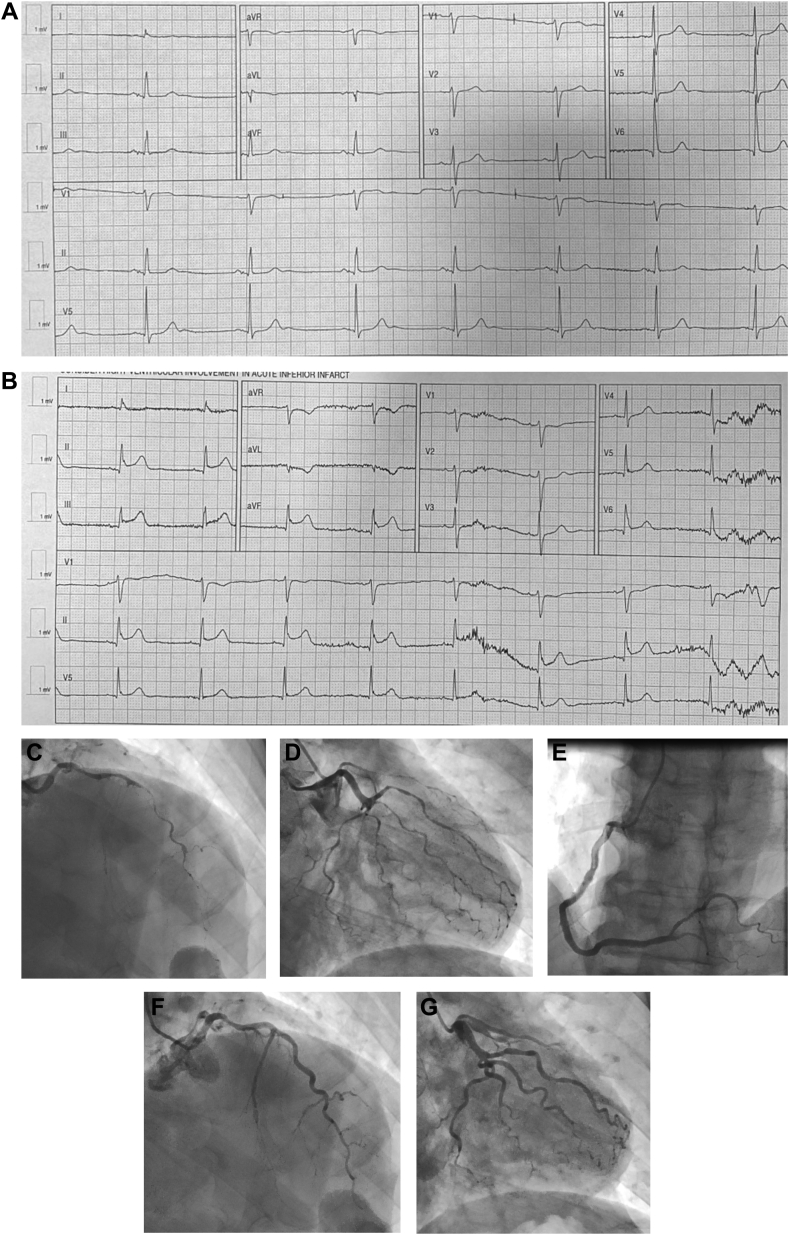
Baseline assessment. The ESC guideline recommends echocardiography at baseline in patients with symptomatic cardiovascular disease and states that screening for coronary disease may be considered in selected patients at high or very high risk. Coronary risk factors are controlled before treatment. Prophylactic antianginal therapy is not given routinely to patients without prior toxicity.
Acute management and rechallenge after fluoropyrimidine cardiotoxicity
Acute management. The infusion is stopped, and nitroglycerin and a calcium channel blocker are given; most episodes resolve within hours. Obstructive disease is treated on standard principles, and nonvasodilating beta blockers are avoided during active spasm. Uridine triacetate, the FDA-approved antidote, is given for overdose or early-onset severe cardiac or neurologic toxicity; the dose is 10 g orally at 6-hour intervals for 20 doses, started within 96 hours after the last fluoropyrimidine dose. Vasospasm is treated as vasospastic angina from other causes, with calcium channel blockers as first-line therapy.
Dihydropyrimidine dehydrogenase (DPD) deficiency. DPD, encoded by DPYD, catabolizes more than 80% of administered 5-FU. Complete deficiency causes acute, early-onset, potentially fatal toxicity (mucositis, diarrhea, neutropenia, and neurotoxicity), and partial deficiency also raises risk. The revised boxed warning for fluorouracil and capecitabine, announced in a 2026 FDA safety labeling communication, advises DPYD testing before treatment unless immediate treatment is necessary, avoidance of the drugs with variants causing complete deficiency, and individualized dosing with partial deficiency. An untested patient with severe early cardiotoxicity is genotyped before any rechallenge.
Rechallenge. Fluoropyrimidines are often central to curative regimens, so rechallenge is weighed after a multidisciplinary review when there is no acceptable alternative, the episode was vasospastic, obstructive disease has been excluded or treated, and ventricular function is preserved. The ESC guideline supports rechallenge only in that setting, with pretreatment and monitoring. In a single-center series, 11 consecutive patients with suspected vasospasm were rechallenged with bolus 5-FU or capecitabine instead of continuous infusion, after pretreatment with two calcium channel blockers and a long-acting oral nitrate. All completed planned chemotherapy without recurrent cardiac events (Clasen 2017). Recurrent toxicity despite pretreatment, myocardial infarction, ventricular arrhythmia, or cardiac arrest is generally a reason to stop fluoropyrimidines permanently.
Proteasome inhibitors and immunomodulatory drugs in multiple myeloma
Proteasome inhibitors are a backbone of therapy for multiple myeloma and light-chain (AL) amyloidosis. Cardiomyocytes and endothelial cells depend on the proteasome to clear damaged proteins, and its inhibition causes protein aggregation, oxidative and mitochondrial injury, and reduced nitric oxide. Carfilzomib, an irreversible inhibitor, causes far more cardiovascular toxicity than reversible bortezomib or oral ixazomib.
Incidence. In a meta-analysis of 24 trials with 2,594 patients, cardiovascular adverse events (heart failure, hypertension, ischemia, and arrhythmia) occurred in 18.1% of patients treated with carfilzomib, and grade 3 or higher events in 8.2%. The relative risks compared with control arms in randomized trials were 1.8 and 2.2, and higher doses (45 mg/m² or more) were associated with high-grade events (Waxman 2018). US labeling reports hypertension in 34% of patients receiving carfilzomib-dexamethasone versus 11% of those receiving bortezomib-dexamethasone in ENDEAVOR. In ASPIRE, the rates were 17% with carfilzomib-lenalidomide-dexamethasone and 9% with lenalidomide-dexamethasone. Cardiac failure occurred in 8% of patients across the randomized combination trials. Pulmonary hypertension occurs in about 2%.
PROTECT. In this prospective study of 95 patients with relapsed myeloma, cardiovascular events occurred in 51% of patients receiving carfilzomib and 17% of those receiving bortezomib. The median time to the first event was 31 days, and 86% of events occurred within 3 months (Cornell 2019). With carfilzomib, a baseline B-type natriuretic peptide (BNP) above 100 pg/mL or N-terminal pro-BNP (NT-proBNP) above 125 pg/mL predicted events (odds ratio 10.8). Events were associated with worse survival but usually did not require stopping therapy.
Monitoring and management. Before carfilzomib, blood pressure is controlled and natriuretic peptide and echocardiography are obtained; pressure is measured before dosing and at home. The ESC guideline describes surveillance at 3- to 6-month intervals with ECG, natriuretic peptide, troponin, and echocardiography. Carfilzomib is withheld for new heart failure or ischemia and restarted at a lower dose after recovery when the benefit justifies it. Prehydration for tumor lysis is adjusted to volume status. Bortezomib can cause hypotension, bradycardia, and heart block.
Cardiovascular care in multiple myeloma. Kidney failure, anemia, hypercalcemia, and steroid exposure in myeloma affect blood pressure, volume, and rhythm. Cardiac AL amyloidosis coexists in a proportion of patients and raises natriuretic peptides and troponin before any drug is given, so trends and imaging carry more weight than single values. In AL amyloidosis, plasma cell therapy and cardiac monitoring follow a disease-specific pathway.
Immunomodulatory drugs and thrombosis. Thalidomide, lenalidomide, and pomalidomide cause venous thromboembolism, especially when combined with high-dose dexamethasone, anthracyclines, or erythropoiesis-stimulating agents, and in the first months of treatment of newly diagnosed disease. Arterial events are also increased. Carfilzomib added to lenalidomide and dexamethasone raised venous thromboembolism from 3.9% to 6.6% in ASPIRE, as cited in the ESC guideline. The International Myeloma Working Group thromboprophylaxis recommendations stratify thrombotic risk by patient factors (obesity, prior thrombosis, central venous catheter, comorbidities, immobility, surgery, inherited thrombophilia) and myeloma therapy factors (Palumbo 2008). Aspirin is recommended for patients with no more than one risk factor. Low-molecular-weight heparin (equivalent to enoxaparin 40 mg daily) is recommended for those with two or more risk factors and for all patients receiving high-dose dexamethasone or doxorubicin, with full-dose warfarin (target INR 2–3) as an alternative. Prophylactic-dose apixaban is also increasingly used. Thalidomide also causes sinus bradycardia.
QT prolongation with cancer drugs: thresholds and monitoring
Many cancer drugs prolong ventricular repolarization, but torsades de pointes is rare unless several risk factors combine. In cancer these factors cluster: hypokalemia and hypomagnesemia from vomiting and diarrhea, bradycardia, kidney dysfunction, and QT-prolonging antiemetics, azole antifungals, and antibiotics, several of which also inhibit CYP3A4. All of these add to the risk through the multiple-hit model of drug-induced QT prolongation.
Correction formula. The IC-OS consensus and the ESC guideline recommend the Fridericia formula (QTcF = QT ÷ ∛RR) for cancer patients, because Bazett overcorrects at the fast heart rates common during illness, anemia, and fever. Both also recommend that ECG machines defaulting to Bazett be reprogrammed or the interval recalculated. Most cancer-drug labels use QTcF. Arsenic trioxide labeling is the exception and uses the Framingham correction. The choice matters because the Bazett, Fridericia, Framingham, and Hodges formulas give different QTc values.
| QTcF | Category | Action |
|---|---|---|
| <480 ms | Acceptable | Continue treatment |
| 480–500 ms | Prolonging | Continue with caution; other QT-prolonging drugs minimized; potassium and magnesium repleted; more frequent ECGs |
| >500 ms | Prolonged | Treatment stopped and the patient evaluated; dose reduction or an alternative therapy after correction of reversible factors |
| Increase >60 ms from baseline | CTCAE grade 3, even when QTc remains ≤500 ms | No change in cancer therapy on this basis alone while QTcF remains ≤500 ms (IC-OS); ECGs repeated and risk factors corrected. Torsades, polymorphic ventricular tachycardia, or syncope (CTCAE grade 4) leads to permanent discontinuation |
QTc categories and actions in patients receiving cancer therapy. The 2022 IC-OS consensus recommends a change in cancer therapy only when QTcF exceeds 500 ms; the 480–500 ms band follows the 2022 ESC guideline. CTCAE version 5 grades QTc of 450–480 ms as grade 1, 481–500 ms as grade 2, and ≥501 ms or a rise of more than 60 ms as grade 3. CTCAE, Common Terminology Criteria for Adverse Events.
High-risk agents. Five cancer drugs carry specific QT requirements in US labeling.
| Drug | Before treatment | Monitoring | Action on prolongation |
|---|---|---|---|
| Arsenic trioxide (acute promyelocytic leukemia) | QTc assessed, electrolytes corrected, other QT-prolonging drugs stopped; not given with ventricular arrhythmia or prolonged QTc | Potassium kept above 4 mEq/L and magnesium above 1.8 mg/dL; ECG weekly throughout therapy and more often in clinically unstable patients | QTc (Framingham) above 450 ms in men or 460 ms in women: drug and other QT-prolonging drugs withheld and electrolytes corrected; resumed at 50% of the previous dose once QTc normalizes. Also causes complete AV block |
| Vandetanib (medullary thyroid cancer) | Not started if QTcF >450 ms; not used with congenital long QT syndrome | ECG with potassium, calcium, magnesium, and TSH at baseline, 2–4 weeks, 8–12 weeks, then at 3-month intervals; potassium kept at 4 mEq/L or higher and magnesium and calcium within normal ranges | QTcF >500 ms: interrupted; resumed at reduced dose when QTcF <450 ms. Median half-life 19 days, so prolongation persists after stopping |
| Ribociclib (breast cancer) | Started only if QTcF <450 ms; not used with tamoxifen | ECG at baseline and about day 14 of the first cycle, then as indicated; electrolytes at baseline and at the start of cycles 1 to 6 (ESC adds an ECG before cycle 2 and after dose increases) | QTcF 481–500 ms: interrupted until ≤480 ms, then resumed (same dose in early breast cancer, lower dose in advanced disease). QTcF >500 ms: interrupted and resumed at lower dose; discontinued if recurrent. Discontinued with torsades, polymorphic VT, or syncope |
| Nilotinib (CML) | Not given with hypokalemia, hypomagnesemia, or long QT syndrome; strong CYP3A4 inhibitors and QT-prolonging drugs avoided | ECG at baseline, 7 days after initiation, periodically, and after dose changes | QTc >480 ms: withheld, potassium and magnesium corrected, interacting drugs reviewed; resumed at the prior dose within 2 weeks if QTcF is <450 ms and within 20 ms of baseline, or at 400 mg once daily if QTcF is 450–480 ms; discontinued if QTcF exceeds 480 ms after reduction. ECG repeated about 7 days after any dose change. Boxed warning for QT prolongation and sudden death |
| Osimertinib (EGFR-mutant lung cancer) | ECG and electrolytes in patients with QT risk | ECG and electrolytes periodically in at-risk patients | QTc >500 ms on 2 ECGs: withheld until <481 ms or baseline, resumed at 40 mg. Discontinued with life-threatening arrhythmia |
QT requirements of high-risk cancer drugs in US prescribing information, with ESC schedule additions. In NATALEE, 0.3% of patients receiving ribociclib 400 mg had a QTcF above 500 ms and 2% had an increase of more than 60 ms. AV, atrioventricular; TSH, thyroid-stimulating hormone; VT, ventricular tachycardia.
Other agents with QT effects include crizotinib and ceritinib, vemurafenib and encorafenib, sunitinib, pazopanib, lenvatinib, dasatinib, bosutinib, and several histone deacetylase inhibitors. Crizotinib labeling directs withholding for QTc above 500 ms on two ECGs until recovery to below 481 ms, then a lower dose. Encorafenib labeling directs withholding for QTcF above 500 ms, resumption at a reduced dose once QTcF is 500 ms or less, and permanent discontinuation after more than one recurrence or when QTcF exceeds 500 ms with an increase of more than 60 ms.
Prevention and treatment. Electrolytes are corrected and interacting drugs reviewed before a QT-prolonging cancer drug starts. The 2010 AHA/American College of Cardiology Foundation (ACCF) statement treats a QTc above 500 ms or a rise of more than 60 ms as high risk for any QT-prolonging drug, but when the cancer drug has no alternative, reversible factors are corrected, the dose is reduced, and monitoring is intensified. Acute treatment of torsades de pointes is the same as for other causes.
RAF and MEK inhibitors: left ventricular dysfunction, hypertension, and thrombosis
Combined BRAF and MEK inhibition (dabrafenib with trametinib, vemurafenib with cobimetinib, encorafenib with binimetinib) is standard therapy for BRAF V600-mutant melanoma and is used in lung, thyroid, and colorectal cancers. The MEK inhibitor accounts for most of the cardiovascular toxicity; ERK signaling downstream of MEK protects cardiomyocytes from stress. A meta-analysis of five randomized trials with 2,317 patients with melanoma found that combination therapy, compared with BRAF inhibitor monotherapy, increased the risk of pulmonary embolism (relative risk 4.36), LVEF decline (3.72), and arterial hypertension (1.49) (Mincu 2019). Vemurafenib and encorafenib also prolong the QT interval.
Left ventricular dysfunction. In pooled trials of trametinib with dabrafenib, cardiomyopathy (an LVEF fall of 10 points or more to below normal) occurred in 6% and resolved in 45 of 50 patients, according to US labeling. Labeling directs LVEF assessment before treatment, at 1 month, and at 2- to 3-month intervals; withholding for an asymptomatic fall of 10% or more to below normal; and discontinuation for symptomatic cardiomyopathy or a fall of more than 20%.
Blood pressure and thrombosis. The ESC guideline recommends blood-pressure measurement at all visits, weekly home monitoring for the first 3 months, and monthly thereafter. Pulmonary embolism and deep vein thrombosis are labeled toxicities of trametinib and binimetinib; trametinib is withheld for uncomplicated venous thromboembolism for up to 3 weeks and permanently discontinued for life-threatening pulmonary embolism. With vemurafenib and cobimetinib, the ESC guideline recommends ECG at 2 and 4 weeks after starting, then at 3-month intervals.
ALK, EGFR, and CDK4/6 inhibitors: bradycardia, conduction disease, cardiomyopathy, and QT prolongation
ALK inhibitors for lung cancer cause bradycardia, conduction disease, hypertension, and dyslipidemia that differ by agent. Crizotinib caused sinus bradycardia in 13% of 1,719 patients in trials and prolongs the QT interval; ceritinib and alectinib also slow the heart rate. Brigatinib caused hypertension in 32% (grade 3 in 13%) in ALTA-1L. Lorlatinib causes atrioventricular block and marked hypercholesterolemia and hypertriglyceridemia; its labeling directs withholding for second-degree block until the PR interval is below 200 ms, and pacemaker placement or discontinuation for complete block. The ESC guideline recommends an ECG 4 weeks after starting and at 3- to 6-month intervals thereafter, and lipid measurement at 3- to 6-month intervals with lorlatinib or crizotinib. Bradycardia from these agents is managed as other drug-induced bradycardia and atrioventricular block.
EGFR inhibitors. Osimertinib, a third-generation EGFR inhibitor, prolongs the QT interval and causes cardiomyopathy, reported in 3.8% of 1,813 patients across trials and in 9% of patients receiving it with pemetrexed and platinum chemotherapy in FLAURA2, according to US labeling. The ESC guideline cites heart failure or myocardial infarction in 4.9% of treated patients and an LVEF below 53% in 11% of those followed with echocardiography. It recommends that echocardiography at 3-month intervals be considered in patients at risk to detect new left ventricular dysfunction, and it recommends magnesium monitoring. Before osimertinib is combined with pemetrexed and platinum chemotherapy, labeling directs cardiac monitoring including LVEF in all patients. Earlier EGFR inhibitors (erlotinib, gefitinib, afatinib) have little direct cardiac toxicity.
CDK4/6 inhibitors. The cyclin-dependent kinase 4 and 6 inhibitors palbociclib, ribociclib, and abemaciclib are given with endocrine therapy for hormone receptor–positive, HER2-negative breast cancer, in the metastatic setting and, for ribociclib and abemaciclib, as adjuvant therapy. Ribociclib prolongs the QT interval and is monitored on the schedule in the QT table; it is avoided with tamoxifen and in patients at significant risk of torsades (congenital long QT syndrome, recent myocardial infarction, heart failure, bradyarrhythmia, or electrolyte abnormalities). Abemaciclib increases venous thromboembolism, including pulmonary embolism, deep vein thrombosis, and unusual-site thrombosis, and labeling directs withholding and treatment of venous thromboembolism. Palbociclib has no specific cardiac warning.
HER2-targeted therapy, immune checkpoint inhibitors, androgen deprivation, and cell therapy
HER2-targeted therapy. Trastuzumab, pertuzumab, and the HER2 antibody-drug conjugates cause left ventricular dysfunction that is usually reversible and not dose-cumulative, and is most frequent after anthracyclines.
Immune checkpoint inhibitors. Anti–PD-1, anti–PD-L1, anti–CTLA-4, and anti–LAG-3 antibodies cause myocarditis that is uncommon but often fatal, frequently presents with conduction disease or ventricular arrhythmia and preserved LVEF, and overlaps with myositis and myasthenia gravis.
Androgen deprivation therapy. Gonadotropin-releasing hormone (GnRH) agonists and antagonists raise insulin resistance, weight, and LDL cholesterol, and abiraterone causes mineralocorticoid excess with hypertension and hypokalemia. The ESC guideline recommends SCORE2 or SCORE2-OP risk scoring and ECG monitoring when the baseline QTc is prolonged.
Cell and bispecific therapies. Chimeric antigen receptor (CAR) T cells and bispecific T-cell engagers cause cytokine release syndrome with tachycardia, hypotension, arrhythmia, and troponin release.
Hypertension, metabolic effects, and venous thrombosis across targeted therapies
Hypertension in patients with cancer. Hypertension is the most common cardiovascular comorbidity in patients with cancer, and its prevalence rises with age and with treatment (Cohen 2019). Pre-existing hypertension raises the risk of VEGF-inhibitor, BCR-ABL inhibitor, BTK inhibitor, and anthracycline cardiotoxicity. Survivors are treated to the same targets as the general population.
Other drugs that raise blood pressure in cancer care include glucocorticoids, calcineurin inhibitors after stem cell transplantation, erythropoiesis-stimulating agents, nonsteroidal anti-inflammatory drugs, abiraterone, and enzalutamide; pheochromocytoma, renal cell carcinoma, and renal artery stenosis (after radiation or with ponatinib) are cancer-related secondary causes.
Home monitoring. Clinic readings taken during pain or after corticosteroid premedication overestimate usual pressure; home monitoring before clinic visits is more reliable and detects the early VEGF-inhibitor rise.
Metabolic effects. Nilotinib caused hyperglycemia in 50% of patients compared with 31% with imatinib, according to labeling, and raises LDL cholesterol. Lorlatinib causes hypercholesterolemia and hypertriglyceridemia, and PI3K and mTOR inhibitors cause hyperglycemia. Glucose and lipids are measured at baseline and periodically and treated to standard targets, with statin choice adjusted for CYP3A4 interactions.
Venous thromboembolism. Immunomodulatory drugs, ponatinib, MEK inhibitors, abemaciclib, and erythropoiesis-stimulating agents add to the thrombotic risk of cancer itself; bevacizumab did not increase venous thromboembolism in pooled randomized trials. Established thrombosis is treated as other cancer-associated venous thromboembolism.
Decisions to continue, interrupt, or modify the cancer drug
The central decision in cardio-oncology is whether cardiovascular toxicity can be treated while effective cancer therapy continues. The 2025 ACC guidance describes this as permissive cardiotoxicity: when toxicity is mild or manageable, cancer therapy continues with close monitoring and multidisciplinary decision-making. The ESC guideline sets a goal of minimizing interruptions of cancer therapy and requires that interruption decisions be made by a multidisciplinary team. The choice depends on the severity of the cardiovascular event, whether it is reversible with treatment, the oncologic benefit of the drug and the availability of equally effective alternatives within or outside the class, and the patient's goals.
| Toxicity | Usually continued with treatment | Usually interrupted or modified | Usually discontinued |
|---|---|---|---|
| VEGF-inhibitor hypertension | Blood pressure below 180/110 mm Hg, responding to therapy | ≥180/110 mm Hg until <160/100 mm Hg; uncontrolled on 3 drugs | Hypertensive emergency or encephalopathy (bevacizumab); recurrent PRES |
| BTK-inhibitor atrial fibrillation | Controlled with beta blocker and factor Xa inhibitor | Symptomatic or uncontrolled atrial fibrillation; switch to a second-generation agent | Ventricular arrhythmia, severe heart failure, recurrent major bleeding |
| BCR-ABL inhibitor arterial events | Stable disease with risk-factor control | New arterial event: dose reduction or switch to an agent with lower vascular risk | Recurrent events on ponatinib or nilotinib when alternatives exist |
| Dasatinib effusions and pulmonary hypertension | Small pleural effusion | Symptomatic effusion: interruption, dose reduction, diuretics, steroids | Confirmed pulmonary arterial hypertension |
| Fluoropyrimidine vasospasm | Not applicable during an episode | Rechallenge with bolus dosing, calcium channel blocker, and nitrate pretreatment when no alternative exists | Myocardial infarction, ventricular arrhythmia, recurrence despite pretreatment, complete DPD deficiency |
| Carfilzomib heart failure or hypertension | Controlled hypertension | New heart failure or ischemia: hold, then restart at lower dose after recovery | Recurrent severe heart failure |
| QT prolongation | QTcF <480 ms; 480–500 ms with risk-factor correction | QTcF >500 ms: hold, correct, resume at lower dose per label | Torsades, polymorphic ventricular tachycardia, or syncope with prolonged QT |
| MEK-inhibitor cardiomyopathy | Small asymptomatic LVEF decline within normal range | Absolute decline ≥10% to below normal: hold up to 4 weeks | Symptomatic cardiomyopathy or decline >20% to below normal |
Typical decisions about the cancer drug after cardiovascular toxicity, drawn from the 2022 ESC guideline, the 2025 ACC Concise Clinical Guidance, and US prescribing information. Final decisions are made jointly by oncology and cardiology with the patient.
Multidisciplinary cardio-oncology care brings oncology, hematology, cardiology, pharmacy, and often nephrology and neurology together before and during therapy. Pharmacist review of interactions, standing blood-pressure protocols, ECG schedules in oncology order sets, and rapid-access cardiology review shorten the time from toxicity to treatment and reduce unnecessary interruptions.
Drug-class cardiovascular toxicity lookup
Targeted cancer drug lookup
Toxicity, monitoring, and action thresholdsDrug data are drawn from the tables above. Blood-pressure verdicts apply the IC-OS office thresholds (home values are 5 mm Hg lower); QTc verdicts apply the IC-OS categories and, where they differ, the drug's US labeling. Arsenic trioxide labeling uses the Framingham correction.
Sources of error in managing targeted-therapy cardiotoxicity
- Starting a VEGF inhibitor with uncontrolled blood pressure. The pressor response begins within days; pressure is controlled before the first dose, and home monitoring starts with it.
- Adding diltiazem or verapamil for hypertension or rate control. Both inhibit CYP3A4 and raise exposure to many kinase inhibitors and to ibrutinib; dihydropyridines and beta blockers are used instead.
- Treating a seizure on a VEGF inhibitor as a brain metastasis without MRI. PRES occurs at only moderately raised pressure; MRI with FLAIR and diffusion sequences makes the diagnosis.
- Using Bazett correction at fast heart rates. Bazett overcorrects during tachycardia and triggers unnecessary interruptions; Fridericia is the standard for cancer drugs, and arsenic trioxide labeling uses Framingham.
- Attributing QT prolongation to the cancer drug alone. Hypokalemia, hypomagnesemia, antiemetics, azole antifungals, and CYP3A4 inhibitors are corrected or removed before the cancer drug is stopped.
- Adding warfarin or aspirin to ibrutinib. Subdural hematoma and major bleeding increase; a factor Xa inhibitor alone is preferred for atrial fibrillation.
- Discharging a patient after chest pain during 5-FU infusion and a normal angiogram without a rechallenge plan. Vasospasm recurs on rechallenge with continuous infusion; rechallenge requires bolus dosing, pretreatment, monitoring, and DPYD genotyping if not done.
- Interpreting natriuretic peptide and troponin in myeloma without context. Cardiac amyloidosis and kidney failure raise both before treatment; trends, imaging, and symptoms carry more weight.
- Overlooking dasatinib in a patient with dyspnea. Pleural effusion and pulmonary arterial hypertension can appear years after starting; echocardiography and right heart catheterization establish the cause.
References
- Lyon AR, López-Fernández T, Couch LS, et al. 2022 ESC guidelines on cardio-oncology developed in collaboration with the European Hematology Association (EHA), the European Society for Therapeutic Radiology and Oncology (ESTRO) and the International Cardio-Oncology Society (IC-OS). Eur Heart J. 2022;43:4229–4361. doi:10.1093/eurheartj/ehac244
- Ganatra S, Barac A, Armenian S, et al. Diagnosis and management of cardiovascular adverse effects of targeted oncology therapies: Bruton's tyrosine kinase, immune checkpoint, and vascular endothelial growth factor inhibitors: 2025 ACC concise clinical guidance: a report of the American College of Cardiology Solution Set Oversight Committee. J Am Coll Cardiol. 2026;87:654–682. doi:10.1016/j.jacc.2025.10.018
- Herrmann J, Lenihan D, Armenian S, et al. Defining cardiovascular toxicities of cancer therapies: an International Cardio-Oncology Society (IC-OS) consensus statement. Eur Heart J. 2022;43:280–299. doi:10.1093/eurheartj/ehab674
- Lyon AR, Dent S, Stanway S, et al. Baseline cardiovascular risk assessment in cancer patients scheduled to receive cardiotoxic cancer therapies: a position statement and new risk assessment tools from the Cardio-Oncology Study Group of the Heart Failure Association of the European Society of Cardiology in collaboration with the International Cardio-Oncology Society. Eur J Heart Fail. 2020;22:1945–1960. doi:10.1002/ejhf.1920
- Jones DW, Ferdinand KC, Taler SJ, et al. 2025 AHA/ACC/AANP/AAPA/ABC/ACCP/ACPM/AGS/AMA/ASPC/NMA/PCNA/SGIM guideline for the prevention, detection, evaluation and management of high blood pressure in adults: a report of the American College of Cardiology/American Heart Association Joint Committee on Clinical Practice Guidelines. Circulation. 2025;152:e114–e218. doi:10.1161/CIR.0000000000001356
- Joglar JA, Chung MK, Armbruster AL, et al. 2023 ACC/AHA/ACCP/HRS guideline for the diagnosis and management of atrial fibrillation: a report of the American College of Cardiology/American Heart Association Joint Committee on Clinical Practice Guidelines. Circulation. 2024;149:e1–e156. doi:10.1161/CIR.0000000000001193
- Drew BJ, Ackerman MJ, Funk M, et al. Prevention of torsade de pointes in hospital settings: a scientific statement from the American Heart Association and the American College of Cardiology Foundation. Circulation. 2010;121:1047–1060. doi:10.1161/CIRCULATIONAHA.109.192704
- Moslehi JJ. Cardiovascular toxic effects of targeted cancer therapies. N Engl J Med. 2016;375:1457–1467. doi:10.1056/NEJMra1100265
- Ranpura V, Pulipati B, Chu D, Zhu X, Wu S. Increased risk of high-grade hypertension with bevacizumab in cancer patients: a meta-analysis. Am J Hypertens. 2010;23:460–468. doi:10.1038/ajh.2010.25
- Wu S, Chen JJ, Kudelka A, Lu J, Zhu X. Incidence and risk of hypertension with sorafenib in patients with cancer: a systematic review and meta-analysis. Lancet Oncol. 2008;9:117–123. doi:10.1016/S1470-2045(08)70003-2
- Schlumberger M, Tahara M, Wirth LJ, et al. Lenvatinib versus placebo in radioiodine-refractory thyroid cancer. N Engl J Med. 2015;372:621–630. doi:10.1056/NEJMoa1406470
- Camarda N, Travers R, Yang VK, London C, Jaffe IZ. VEGF receptor inhibitor-induced hypertension: emerging mechanisms and clinical implications. Curr Oncol Rep. 2022;24:463–474. doi:10.1007/s11912-022-01224-0
- Rini BI, Cohen DP, Lu DR, et al. Hypertension as a biomarker of efficacy in patients with metastatic renal cell carcinoma treated with sunitinib. J Natl Cancer Inst. 2011;103:763–773. doi:10.1093/jnci/djr128
- Cohen JB, Geara AS, Hogan JJ, Townsend RR. Hypertension in cancer patients and survivors: epidemiology, diagnosis, and management. JACC CardioOncol. 2019;1:238–251. doi:10.1016/j.jaccao.2019.11.009
- Scappaticci FA, Skillings JR, Holden SN, et al. Arterial thromboembolic events in patients with metastatic carcinoma treated with chemotherapy and bevacizumab. J Natl Cancer Inst. 2007;99:1232–1239. doi:10.1093/jnci/djm086
- Choueiri TK, Schutz FA, Je Y, Rosenberg JE, Bellmunt J. Risk of arterial thromboembolic events with sunitinib and sorafenib: a systematic review and meta-analysis of clinical trials. J Clin Oncol. 2010;28:2280–2285. doi:10.1200/JCO.2009.27.2757
- Richards CJ, Je Y, Schutz FA, et al. Incidence and risk of congestive heart failure in patients with renal and nonrenal cell carcinoma treated with sunitinib. J Clin Oncol. 2011;29:3450–3456. doi:10.1200/JCO.2010.34.4309
- Choueiri TK, Mayer EL, Je Y, et al. Congestive heart failure risk in patients with breast cancer treated with bevacizumab. J Clin Oncol. 2011;29:632–638. doi:10.1200/JCO.2010.31.9129
- Savaliya M, Surati D, Surati R, Padmani S, Boussios S. Posterior reversible encephalopathy syndrome after pazopanib therapy. Diseases. 2023;11:76. doi:10.3390/diseases11020076
- Kantarjian HM, Hughes TP, Larson RA, et al. Long-term outcomes with frontline nilotinib versus imatinib in newly diagnosed chronic myeloid leukemia in chronic phase: ENESTnd 10-year analysis. Leukemia. 2021;35:440–453. doi:10.1038/s41375-020-01111-2
- Cortes JE, Kim DW, Pinilla-Ibarz J, et al. Ponatinib efficacy and safety in Philadelphia chromosome-positive leukemia: final 5-year results of the phase 2 PACE trial. Blood. 2018;132:393–404. doi:10.1182/blood-2016-09-739086
- Cortes J, Apperley J, Lomaia E, et al. Ponatinib dose-ranging study in chronic-phase chronic myeloid leukemia: a randomized, open-label phase 2 clinical trial. Blood. 2021;138:2042–2050. doi:10.1182/blood.2021012082
- Cortes JE, Saglio G, Kantarjian HM, et al. Final 5-year study results of DASISION: the Dasatinib Versus Imatinib Study in Treatment-Naïve Chronic Myeloid Leukemia Patients trial. J Clin Oncol. 2016;34:2333–2340. doi:10.1200/JCO.2015.64.8899
- Montani D, Bergot E, Günther S, et al. Pulmonary arterial hypertension in patients treated by dasatinib. Circulation. 2012;125:2128–2137. doi:10.1161/CIRCULATIONAHA.111.079921
- Byrd JC, Hillmen P, Ghia P, et al. Acalabrutinib versus ibrutinib in previously treated chronic lymphocytic leukemia: results of the first randomized phase III trial. J Clin Oncol. 2021;39:3441–3452. doi:10.1200/JCO.21.01210
- Brown JR, Eichhorst B, Hillmen P, et al. Zanubrutinib or ibrutinib in relapsed or refractory chronic lymphocytic leukemia. N Engl J Med. 2023;388:319–332. doi:10.1056/NEJMoa2211582
- Lampson BL, Yu L, Glynn RJ, et al. Ventricular arrhythmias and sudden death in patients taking ibrutinib. Blood. 2017;129:2581–2584. doi:10.1182/blood-2016-10-742437
- Dickerson T, Wiczer T, Waller A, et al. Hypertension and incident cardiovascular events following ibrutinib initiation. Blood. 2019;134:1919–1928. doi:10.1182/blood.2019000840
- Salem JE, Manouchehri A, Bretagne M, et al. Cardiovascular toxicities associated with ibrutinib. J Am Coll Cardiol. 2019;74:1667–1678. doi:10.1016/j.jacc.2019.07.056
- Quartermaine C, Ghazi SM, Yasin A, et al. Cardiovascular toxicities of BTK inhibitors in chronic lymphocytic leukemia: JACC: CardioOncology state-of-the-art review. JACC CardioOncol. 2023;5:570–590. doi:10.1016/j.jaccao.2023.09.002
- Yun JP, Choi EK, Han KD, et al. Risk of atrial fibrillation according to cancer type: a nationwide population-based study. JACC CardioOncol. 2021;3:221–232. doi:10.1016/j.jaccao.2021.03.006
- Melloni C, Dunning A, Granger CB, et al. Efficacy and safety of apixaban versus warfarin in patients with atrial fibrillation and a history of cancer: insights from the ARISTOTLE trial. Am J Med. 2017;130:1440–1448.e1. doi:10.1016/j.amjmed.2017.06.026
- Frendl G, Sodickson AC, Chung MK, et al. 2014 AATS guidelines for the prevention and management of perioperative atrial fibrillation and flutter for thoracic surgical procedures: executive summary. J Thorac Cardiovasc Surg. 2014;148:772–791. doi:10.1016/j.jtcvs.2014.06.037
- Clasen SC, Ky B, O'Quinn R, et al. Fluoropyrimidine-induced cardiac toxicity: challenging the current paradigm. J Gastrointest Oncol. 2017;8:970–979. doi:10.21037/jgo.2017.09.07
- Mehta A, Bansal M, Vallabhajosyula S. Severe multivessel coronary vasospasm secondary to 5-fluorouracil mimicking ST-segment elevation myocardial infarction. J Soc Cardiovasc Angiogr Interv. 2024;3:101264. doi:10.1016/j.jscai.2023.101264
- US Food and Drug Administration. Safety labeling update: capecitabine and fluorouracil (5-FU) risks associated with dihydropyrimidine dehydrogenase (DPD) deficiency. Silver Spring, MD: FDA; 2026. fda.gov
- Waxman AJ, Clasen S, Hwang WT, et al. Carfilzomib-associated cardiovascular adverse events: a systematic review and meta-analysis. JAMA Oncol. 2018;4:e174519. doi:10.1001/jamaoncol.2017.4519
- Cornell RF, Ky B, Weiss BM, et al. Prospective study of cardiac events during proteasome inhibitor therapy for relapsed multiple myeloma. J Clin Oncol. 2019;37:1946–1955. doi:10.1200/JCO.19.00231
- Palumbo A, Rajkumar SV, Dimopoulos MA, et al. Prevention of thalidomide- and lenalidomide-associated thrombosis in myeloma. Leukemia. 2008;22:414–423. doi:10.1038/sj.leu.2405062
- Mincu RI, Mahabadi AA, Michel L, et al. Cardiovascular adverse events associated with BRAF and MEK inhibitors: a systematic review and meta-analysis. JAMA Netw Open. 2019;2:e198890. doi:10.1001/jamanetworkopen.2019.8890
- Novartis Pharmaceuticals. KISQALI (ribociclib) tablets: US prescribing information. Revised 2026. DailyMed
- Genzyme Corporation. CAPRELSA (vandetanib) tablets: US prescribing information. Revised 2026. DailyMed
- Cephalon. TRISENOX (arsenic trioxide) injection: US prescribing information. Revised 2022. DailyMed
- Pharmacyclics. IMBRUVICA (ibrutinib): US prescribing information. Revised 2025. DailyMed